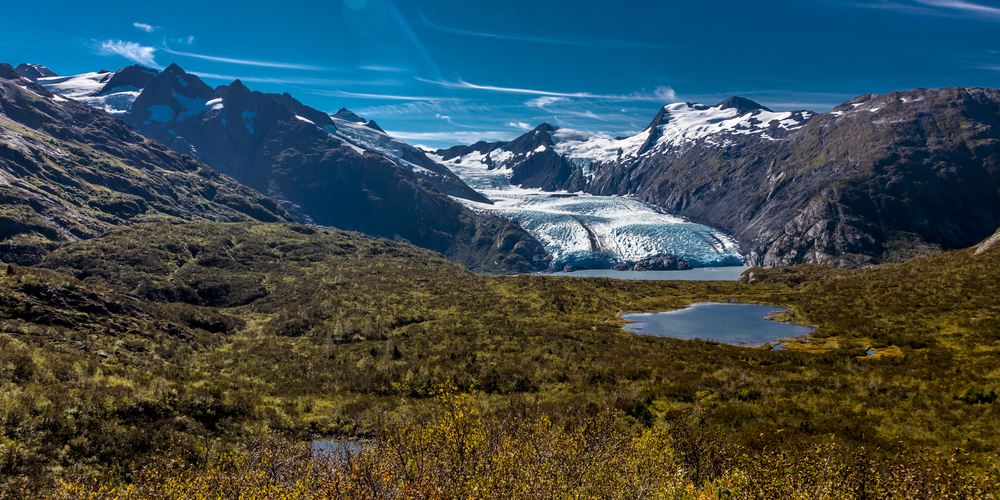
Portage is a historic railroad junction and glaciated recreation area situated at the head of Turnagain Arm in the Chugach National Forest. Abandoned after the 1964 Good Friday Earthquake caused the coastal ground to drop six to eight feet, the locality now stands as an uninhabited gateway for rail-based wilderness travel. The Alaska Railroad's Glacier Discovery Train serves the Portage Depot daily from late May through mid-September. Surrounded by hanging alpine glaciers and petrified spruce forests, the valley connects travelers directly to Portage Lake, Prince William Sound, and roadless backcountry.
Visitors use Portage as an operational base for outdoor exploration across the valley floor. On Portage Lake, the eighty-foot MV Ptarmigan cruises within three hundred feet of Portage Glacier's towering ice face, while the U.S. Forest Service Begich, Boggs Visitor Center interprets the glaciated ecosystem. Paved pathways including the five-mile Trail of Blue Ice connect campgrounds and salmon viewing platforms without requiring a car. Beyond the road network, passenger trains shuttle hikers south toward the Spencer Glacier Whistle Stop and through the Anton Anderson Memorial Tunnel into the port community of Whittier.
Top Experiences
Glacier boat tours, mountain rail stops, and forested valley trails
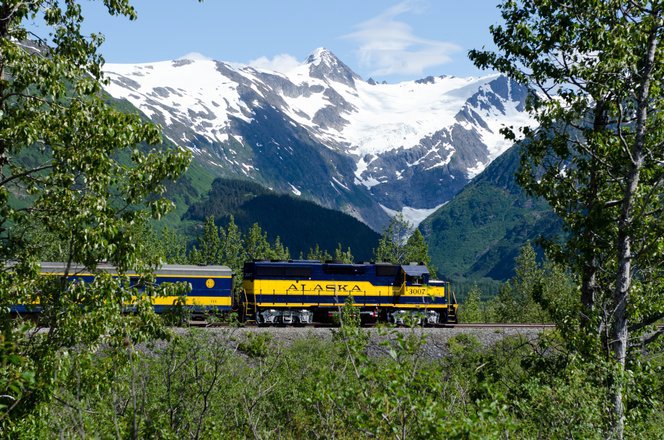
Glacier Discovery Train to Spencer Glacier Whistle Stop
Depart Portage Depot aboard the Alaska Railroad's Glacier Discovery Train for a rail-only backcountry excursion into Chugach National Forest. Passengers reach the remote roadless wilderness depot to attend ranger-led talks and hike the 1.3-mile trail to Spencer Lake.
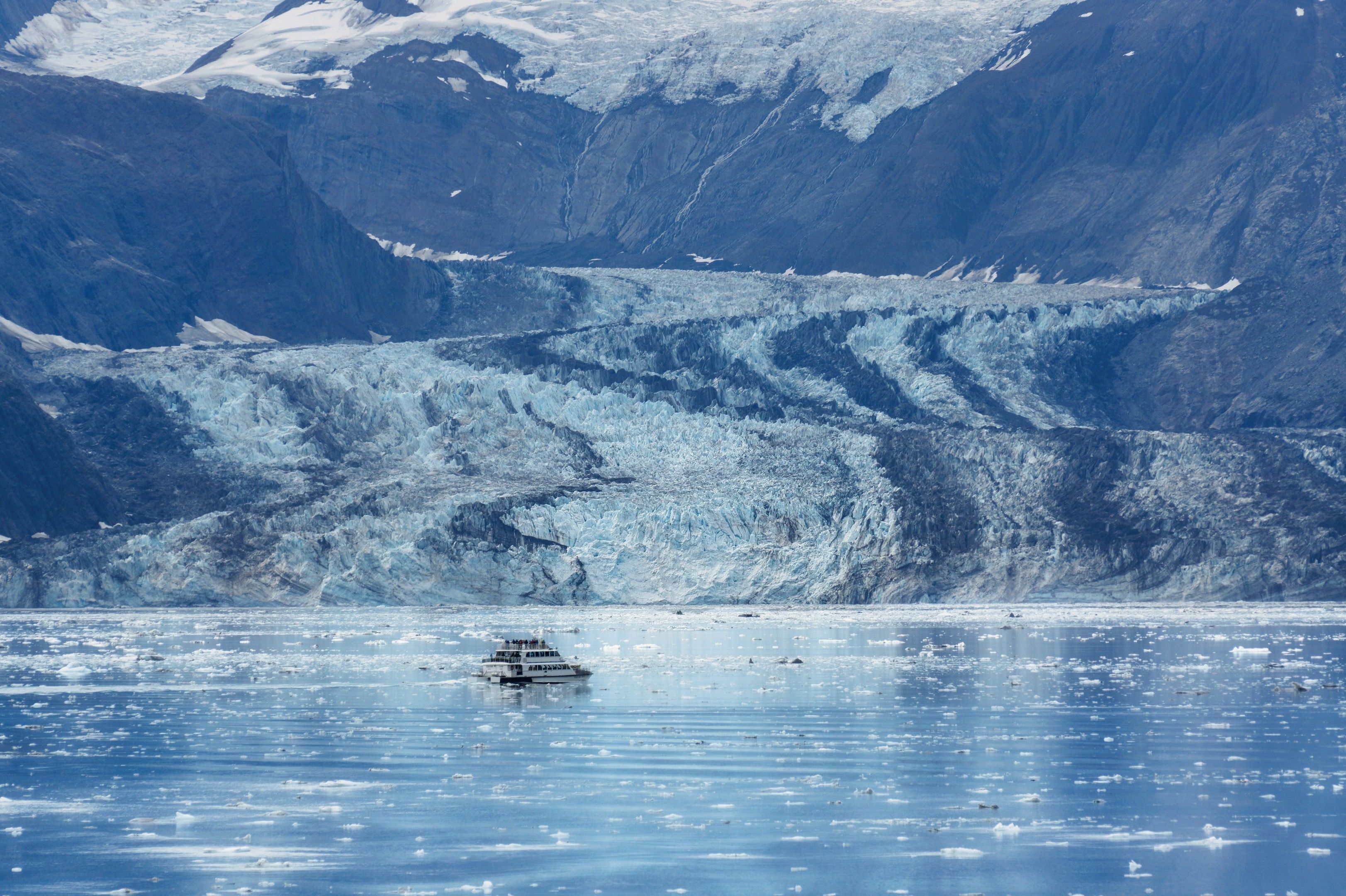
MV Ptarmigan Portage Glacier Cruise
Board the 80-foot Coast Guard-inspected passenger vessel for an hour-long narrated cruise across Portage Lake to within 300 feet of Portage Glacier's sheer ice face.

Begich, Boggs Visitor Center
Explore this 17,600-square-foot Chugach National Forest interpretive center built on Portage Glacier's 1914 moraine, presenting iceberg touch displays, regional ecology exhibits, and documentary screenings.
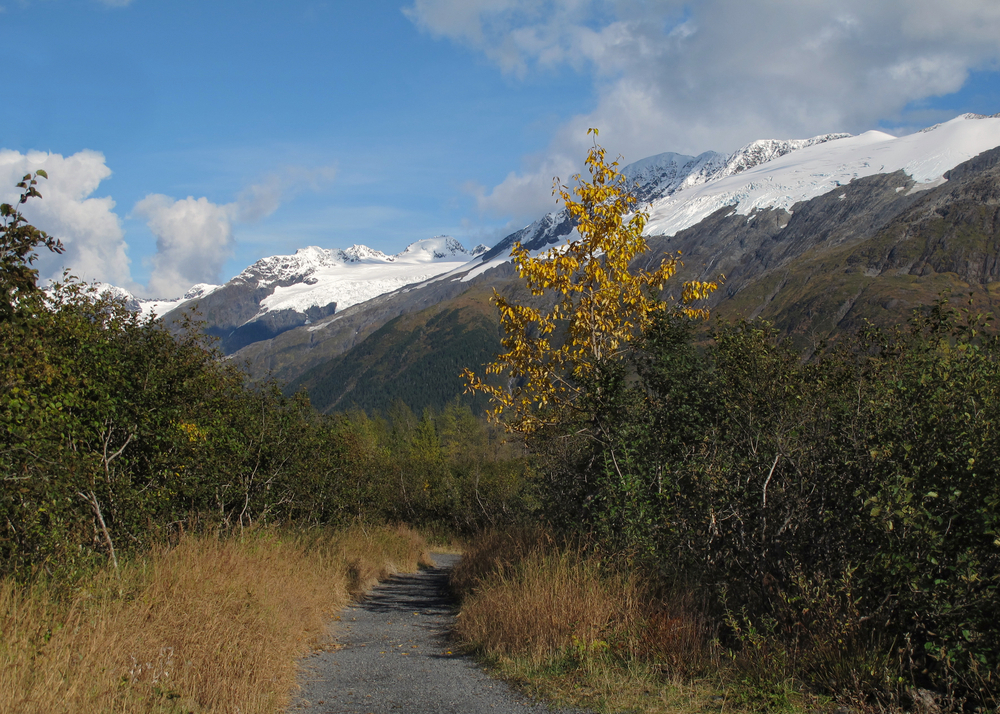
Byron Glacier Trail
Hike an easy 1.4-mile trail along Byron Creek through dense cottonwood forest and boulder fields to reach a permanent snowfield framing close views of Byron Glacier.
Trail of Blue Ice
Walk or cycle this 5-mile paved non-motorized pathway traversing the Portage Valley floor between Moose Flats and Portage Lake, crossing suspension bridges directly beneath hanging alpine glaciers.

Alaska Wildlife Conservation Center
Tour a 200-acre sanctuary at Mile 79 Seward Highway that provides protected habitats for orphaned Alaskan wildlife, including brown bears, wood bison, moose, muskoxen, and gray wolves.
When to Visit
Passenger rail and boat tours run exclusively during the summer months
Temperatures average 58°F to 66°F with extended subarctic daylight. The Alaska Railroad operates daily Glacier Discovery passenger trains, the MV Ptarmigan cruises Portage Lake, and salmon spawn in Williwaw Creek. Expect peak visitor volumes, maritime rain, and brisk valley winds.
Temperatures cool to 40°F to 52°F as golden foliage carpets the valley below dusted Chugach summits. Wildlife viewing thins out favorably at the conservation center, but the Glacier Discovery train, visitor center, and boat cruises shut down by mid-September.
Sub-freezing temperatures reach 18°F to 30°F alongside heavy coastal snow accumulation. Adventurers tackle Nordic skiing or fat-tire biking across frozen Portage Lake toward the glacier face. Passenger trains do not stop at Portage Depot, campgrounds remain shuttered, and severe venturi winds persist.
Temperatures rise to 38°F to 52°F as winter snowpack melts into cascading waterfalls along steep Chugach cliff faces. Portage Glacier boat cruises resume operations in mid-May, though visitors encounter muddy trail conditions during spring breakup and limited early-season services.
Where to Base Yourself
Corridor bases along Portage Valley, Turnagain Arm, and nearby Whittier
Portage Flats & Historic Townsite
The coastal estuary sits at the head of Turnagain Arm where the Seward Highway meets the Alaska Railroad. Abandoned after the 1964 earthquake dropped ground levels six feet, the flats feature petrified ghost forest spruce snags drowned by saltwater tides, the seasonal Portage Depot railroad platform, and the 200-acre Alaska Wildlife Conservation Center.
Portage Valley & Portage Lake Basin
Carved between sheer Chugach mountain walls, this glaciated corridor follows Portage Glacier Highway straight to the lake shoreline. The basin hosts the 17,600-square-foot Begich, Boggs Visitor Center perched on a 1914 moraine, the MV Ptarmigan tour boat dock, and the gravel trailhead for the 1.4-mile walk toward Byron Glacier.
Williwaw & Black Bear Creek Corridor
Dense cottonwood and spruce forests line this central valley sector between Moose Flats and the lake basin. Chugach National Forest manages rustic campsites at Williwaw and Black Bear campgrounds, while paved paths link directly to the raised salmon viewing platform where sockeye, chum, and coho spawn in clear currents every August.
Food & Dining
Trailside day lodges, food trucks, and regional seafood outposts
Locally caught wild sockeye or coho salmon served fresh-grilled, blackened, or flaked into hearty Turnagain Arm chowders.
Spiced Alaskan reindeer meat sausage griddled crisp and served on toasted buns with sweet caramelized onions.
Thick fillets of wild Pacific halibut fried in light crispy batter alongside golden fries and tartar sauce.
Sweet and tart slices baked with hand-picked wild Alaskan blueberries, salmonberries, and lingonberries.
Portage Glacier Cafe
Located at the Portage Lake docks near the MV Ptarmigan departure point, this casual daylodge serves visitors before or after their water excursions. The kitchen prepares warm deli sandwiches, Alaskan clam chowder, hearty chili, fresh-baked berry pies, and espresso drinks. It provides an easy, heated refuge on chilly glacial valley afternoons.
Forget-Me-Not Foods
Operating outdoors on the grounds of the Alaska Wildlife Conservation Center at Mile 79 of the Seward Highway, this counter serves travelers touring the animal habitats. The menu features grilled reindeer hot dogs, buffalo bratwurst, gourmet macaroni and cheese, and hot soups. It offers quick outdoor picnic dining between wildlife viewings.
Swiftwater Seafood Cafe
Located 8 miles east in Whittier via the Anton Anderson Memorial Tunnel, this waterside counter serves fresh Prince William Sound catches. The kitchen is known for deep-fried Pacific halibut baskets, rockfish, shrimp, and rich clam chowder. Diners order at the register before taking open tables overlooking working boat slips and harbor docks.
Jack Sprat
Situated 11 miles northwest in Girdwood, this eclectic mountain restaurant focuses on sustainably sourced regional ingredients. The kitchen crafts fresh Pacific halibut preparations, duck bacon bibimbap, house-made curries, and extensive vegetarian plates. Its warm dining room sits tucked near the base of the mountains, making it a reliable dinner destination after valley hikes.
Where to Stay
Forest Service campgrounds and harbor lodges within the Portage corridor
Williwaw Campground
Forest Service dry campsites along Portage Glacier Road featuring fire rings, picnic tables, hand-pump drinking water, and vault toilets.
Black Bear Campground
Rustic Forest Service tent and small camper sites offering unpaved pads, fire rings, and basic vault toilets nestled in coastal forest.
The Inn at Whittier
A boutique 25-room waterfront harbor lodge situated eight miles east in Whittier, featuring Prince William Sound views and an on-site seafood restaurant.
Alyeska Resort
A full-service mountain resort eleven miles northwest in Girdwood, offering 304 rooms, an aerial tramway, saltwater pool, mountaintop dining, and a Nordic spa.
Getting Around
Paved valley paths, scheduled passenger trains, and local highway shuttles
Alaska Railroad Glacier Discovery Train
Operates daily through the valley between Portage Depot, Whittier, Spencer Whistle Stop, and Grandview. Outbound departures leave Portage at 1:30 PM, returning from backcountry tracks at 5:15 PM.
Trail of Blue Ice Multi-Use Path
A flat, five-mile paved non-motorized pathway linking Moose Flats, Williwaw Campground, and Begich, Boggs Visitor Center. It accommodates walking, running, and cycling over boardwalks across scenic glacial wetlands.
Private Vehicle and Rental Car
Portage Glacier Highway is a paved, two-lane road with generous scenic turnouts and dedicated parking lots. Paved parking spaces are situated directly at trailheads, visitor centers, and lake cruise docks.
Tour Buses and Rail Motorcoaches
Dedicated Alaska Railroad motorcoaches shuttle passengers directly back from Portage Depot to Girdwood and Anchorage. Commercial sightseeing coaches also operate guided transfers linking regional hotel hubs to Portage Valley attractions.
Getting There
Daily rail arrivals via the Alaska Railroad's Glacier Discovery Train
Departs Anchorage Depot at 9:45 AM, traveling south along Turnagain Arm and through Whittier before pulling into Portage Depot at 1:20 PM.
Departs Girdwood Depot at 11:00 AM, routing through the mountain tunnel to Whittier prior to arriving at Portage Depot at 1:20 PM.
Departs Whittier at 12:45 PM, traversing westbound through the Anton Anderson Memorial Tunnel to connect with Portage Depot at 1:20 PM.
Departs the roadless Spencer backcountry wilderness at 4:40 PM, delivering northbound hikers and rafters to Portage Depot by 5:15 PM.
A direct 48-mile drive southeast along the scenic Seward Highway, following the base of Chugach cliffs bordering Turnagain Arm waters.
Connects eight miles west via the 2.5-mile Anton Anderson Memorial Tunnel, which operates on an alternating single-lane vehicle schedule.
The primary international gateway airport located 48 miles northwest, offering comprehensive rental cars, motorcoach connections, and downtown rail transfers.
A paved public general aviation airstrip situated 12 miles northwest, handling charter aircraft, flightseeing tours, and private regional arrivals.
Practical Information
Cashless policies, wildlife safety protocols, and coastal weather patterns
Depot Operating Season
Passenger rail, visitor center facilities, and lake boat cruises operate only from late May through mid-September each summer.
Cashless Transaction Policy
All onboard purchases on Alaska Railroad trains and entry fees at regional visitor centers require credit or debit cards.
Low Sea-Level Elevation
Portage Valley sits between 26 and 118 feet elevation, eliminating any concerns regarding high-altitude sickness for arriving hikers.
Cellular Connectivity
Mobile reception functions near Portage Depot along the Seward Highway, but coverage drops quickly deeper inside the mountain valley.
Portage Pass Venturi Winds
The low sea-level gap channels fierce gale winds and sudden cold rain from Prince William Sound across the valley.
Bear and Wildlife Safety
Store food in bear-proof lockers, carry bear spray, and stay 100 yards from bears and 25 yards from moose.
Whittier Tunnel Tolls
Standard vehicles driving east into Whittier via the Anton Anderson Memorial Tunnel pay a thirteen-dollar round-trip toll.
Geologic Hazard Advisory
Unstable mountainsides above Portage Lake carry Forest Service warnings regarding potential displacement waves generated by sudden rockslides.
Insider Tips
Advice on train connections, tunnel schedules, and trail access
Choose the Return Motorcoach Option
Booking the Alaska Railroad returning motorcoach from Portage Depot back to Anchorage saves roughly two and a half hours. It bypasses the evening train turnaround through Whittier, returning you to downtown Anchorage well before dinner.
Prepare for Persistent Venturi Winds
Portage Valley sits in a low gap connecting Prince William Sound and Turnagain Arm, creating frequent gale-force winds and driving rain. Even when Anchorage enjoys calm conditions, always pack a windproof waterproof outer shell and warm fleece layers.
Time the Alternating Tunnel Openings
Driving east toward Whittier requires passing through the single-lane Anton Anderson Memorial Tunnel on a strict alternating schedule. Traffic to Whittier typically opens on the half-hour, so arrive at the Portage staging area early to avoid long waits.
Walk the Flat Byron Trail
The easy 1.4-mile Byron Glacier Trail begins at the end of Portage Glacier Road, meandering through cottonwood forest and boulder fields. It leads directly to rugged snowfields and sweeping mountain views without demanding strenuous climbs or backcountry navigation.
View Spawning Salmon in August
Visit the raised wooden viewing platform along Williwaw Creek during August to observe wild sockeye, chum, and coho salmon spawning in clear waters. The elevated deck provides unobstructed angles for photography while keeping visitors safely separated from foraging wildlife.
Visit the 1964 Earthquake Ruins
Take time to photograph the eerie petrified ghost forest on the tidal flats near the Seward Highway junction. The ground dropped six to eight feet during the 1964 Good Friday Earthquake, allowing saltwater tides to flood and preserve the spruce roots.
Explore Remote Spencer Glacier Backcountry
Board the Glacier Discovery Train at Portage Depot at 1:30 PM for the short rail journey to Spencer Whistle Stop. The roadless Forest Service site offers ranger talks and an uncrowded 1.3-mile trail leading to iceberg-dotted views across Spencer Lake.
Check Portage Lake Boat Departures
The MV Ptarmigan runs five daily 1-hour narrated glacier tours between mid-May and mid-September, departing at 10:30 AM, 12:00 PM, 1:30 PM, 3:00 PM, and 4:30 PM. Book ahead online to guarantee indoor cabin seating during peak July departures.
Day Trips & Excursions
Remote backcountry stops, glacier cruises, and coastal communities
Spencer Glacier Whistle Stop
Round trip · 15 to 20 minutes by train each wayBoard the Alaska Railroad Glacier Discovery Train at Portage Depot to reach this roadless wilderness site deep inside Chugach National Forest. The quick train ride delivers you to an off-grid whistle stop where U.S. Forest Service rangers lead interpretive talks along a 1.3-mile trail to Spencer Lake. Massive blue icebergs drift right past the shoreline against mountain walls. It offers an authentic Alaskan backcountry experience without extensive bush trekking, making it an exceptional wilderness rail excursion.
Whittier & Prince William Sound
Half or full day · 35 minutes by train, 15 to 20 minutes by roadTravel eastbound aboard the Alaska Railroad Glacier Discovery Train or drive through the 2.5-mile Anton Anderson Memorial Tunnel to reach the historic maritime outpost of Whittier. Situated right on the edge of Prince William Sound, this small harbor town serves as the launching point for daily glacier-calving boat tours and sea kayaking in Blackstone Bay. Walk along the waterfront to enjoy fresh deep-fried Pacific halibut at Swiftwater Seafood Cafe before catching the scheduled return train back across the mountains.
Girdwood & Alyeska
Half or full day · 11 miles northwest, ~15 to 20 minutes by roadLocated just 11 miles northwest of Portage along the Seward Highway, Girdwood provides premier dining, alpine trails, and full resort amenities. Board the Alyeska Aerial Tram to ride 2,300 feet up Mount Alyeska for sweeping views of Turnagain Arm and the surrounding hanging glaciers. Visitors can hike through coastal temperate rainforest along the Winner Creek Trail, relax at the Alyeska Nordic Spa, and dine on fresh local seafood at Jack Sprat or the Double Musky Inn before returning south to Portage Valley.
Frequently Asked Questions
Essential details for planning a rail excursion to Portage Valley
You can reach Portage aboard the Alaska Railroad Glacier Discovery Train, which runs daily between late May and mid-September from Anchorage, Girdwood, and Whittier. The train departs Anchorage Depot at 9:45 AM and stops in Girdwood before pulling into Portage Depot at 1:20 PM. Adventure Class passenger seating features panoramic picture windows, comfortable reclining seats, and the Wilderness Café.
No, you do not need a car if you visit during summer using the Alaska Railroad Glacier Discovery Train. Passengers can disembark at Portage Depot to take lake cruises or walk the flat 5-mile Trail of Blue Ice. A rental vehicle simply grants extra scheduling freedom to visit regional trailheads at your own pace.
Summer from June through August is the best time to visit Portage, when daytime temperatures average 58°F to 66°F and all local facilities operate. During this window, the Alaska Railroad Glacier Discovery Train runs daily, the MV Ptarmigan cruises Portage Lake, and salmon spawn in Williwaw Creek. All passenger trains stop operating by mid-September.
Visitors frequently spot black bears, brown bears, and moose in Portage Valley, alongside spawning salmon in Williwaw Creek each August. For guaranteed viewings, the 200-acre Alaska Wildlife Conservation Center protects rescued wood bison, muskoxen, and gray wolves. Passengers riding the Alaska Railroad Glacier Discovery Train can also spot beluga whales along coastal Turnagain Arm.
An adult round-trip ticket on the Alaska Railroad Glacier Discovery Train between Portage and Spencer Glacier Whistle Stop costs $94 USD, while child fares cost $47 USD. If you depart from Anchorage or Girdwood, round-trip fares including the returning motorcoach transfer from Portage are $154 USD for adults and $77 USD for children ages 2–11. Onboard purchases at the Wilderness Café are entirely cashless.
Yes, Portage provides flat walking trails, hands-on exhibits, and scenic train rides that suit travelers of all generations. Children love riding the Alaska Railroad Glacier Discovery Train, cruising past icebergs on the MV Ptarmigan, and viewing bears at the wildlife center. The 1.4-mile Byron Glacier Trail and paved Trail of Blue Ice are very accessible.
Yes, Portage Glacier Cruises operates the 80-foot MV Ptarmigan daily across Portage Lake from mid-May through mid-September. The narrated 1-hour cruise sails within 300 feet of Portage Glacier's towering ice face, departing five times daily between 10:30 AM and 4:30 PM. Adult fares cost between $49 and $59 USD. The docks sit a short connection from the Alaska Railroad at Portage Depot.
Because Portage has no commercial hotels within the townsite itself, overnight travelers stay in nearby Girdwood or Whittier, or camp at Williwaw Campground. Williwaw Campground offers Forest Service campsites along Portage Glacier Road for $23 USD nightly. For full amenities, Alyeska Resort in Girdwood sits 11 miles northwest, while The Inn at Whittier lies 8 miles east via the Alaska Railroad tunnel route.
The original town of Portage was abandoned after the 1964 Good Friday Earthquake caused the regional ground to drop six to eight feet. Saltwater tides flooded the valley floor, creating the petrified spruce snags known as the Ghost Forest. You can see these historic earthquake ruins directly alongside the Alaska Railroad line near Portage Depot.
Yes, Rail Vacation Planners can fully customize any Southcentral Alaska rail itinerary to incorporate time in Portage and Spencer Glacier. Our specialists coordinate Alaska Railroad Glacier Discovery Train schedules, book scenic MV Ptarmigan cruises on Portage Lake, and arrange connecting lodging in Girdwood or Whittier. We tailor the pace, activity level, and transit connections to match your personal travel preferences.