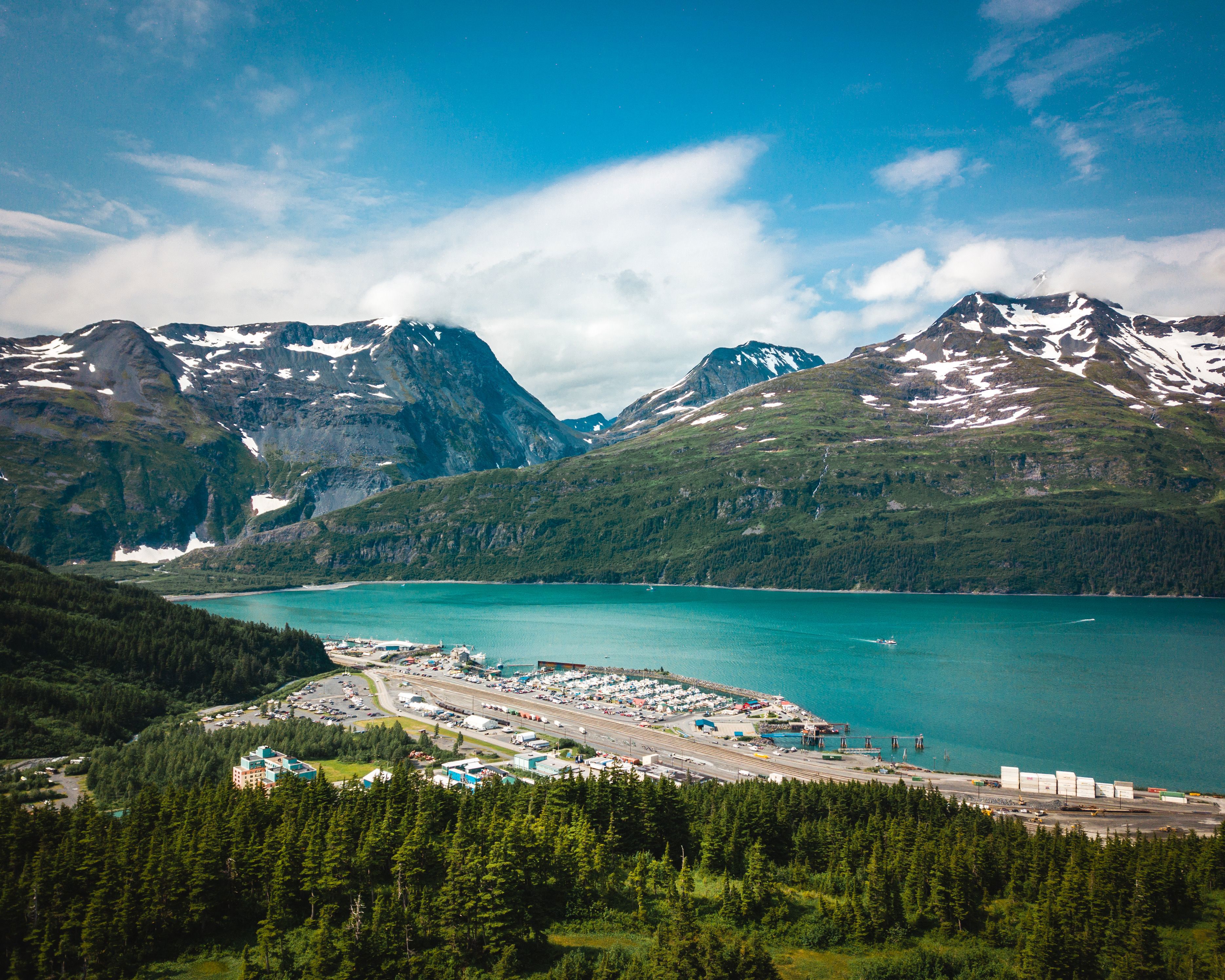
Whittier is a coastal port city located at the head of Passage Canal along the western rim of Prince William Sound — an ice-free deepwater harbor reached overland only via the 2.5-mile Anton Anderson Memorial Tunnel. Established during World War II as a military railhead, Whittier sits at an elevation of 43 feet with a permanent population of 272 residents, almost all of whom reside in the monolithic 14-story Begich Towers condominium. The Alaska Railroad operates daily passenger trains directly to the harbor platform from mid-May through mid-September, making rail the premier approach for travelers seeking immediate access to marine wilderness and tidewater glaciers.
The town's compact perimeter concentrates lodging, historic Cold War military posts, and marine tour docks entirely within walking distance of the train depot. High-speed glacier catamarans depart daily from Whittier Harbor to explore 130 miles of Prince William Sound, navigating close to massive tidewater faces in College Fjord and Harriman Fjord without requiring a rental vehicle. Overland travelers arriving by road encounter strict single-lane traffic schedules through the Anton Anderson Memorial Tunnel, with eastbound vehicle entries opening on the half-hour for a 13.00 USD toll, underscoring rail transit as the most seamless gateway to local waters.
Top Experiences
From tidewater glacier cruises to historic Cold War fortifications
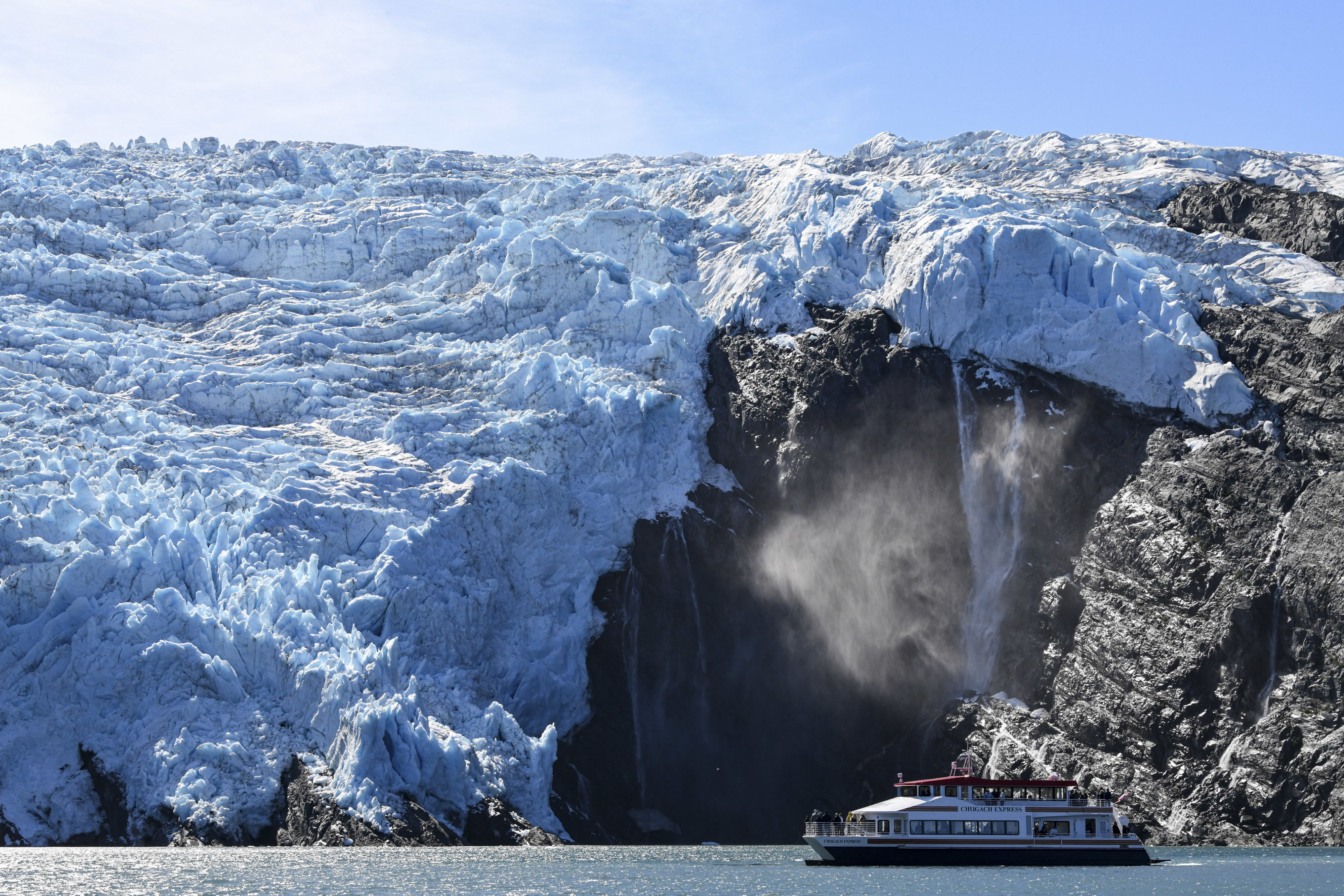
26 Glacier Cruise into Prince William Sound
Board a high-speed catamaran directly from the Whittier docks to traverse 130 miles of Prince William Sound. The route enters College Fjord and Harriman Fjord, approaching active tidewater glacier faces within several hundred feet on calm, protected waters.

Begich Towers Self-Contained Community
Tour the historic 14-story former military building where the majority of residents live, complete with a post office, grocery store, and municipal offices under one roof.
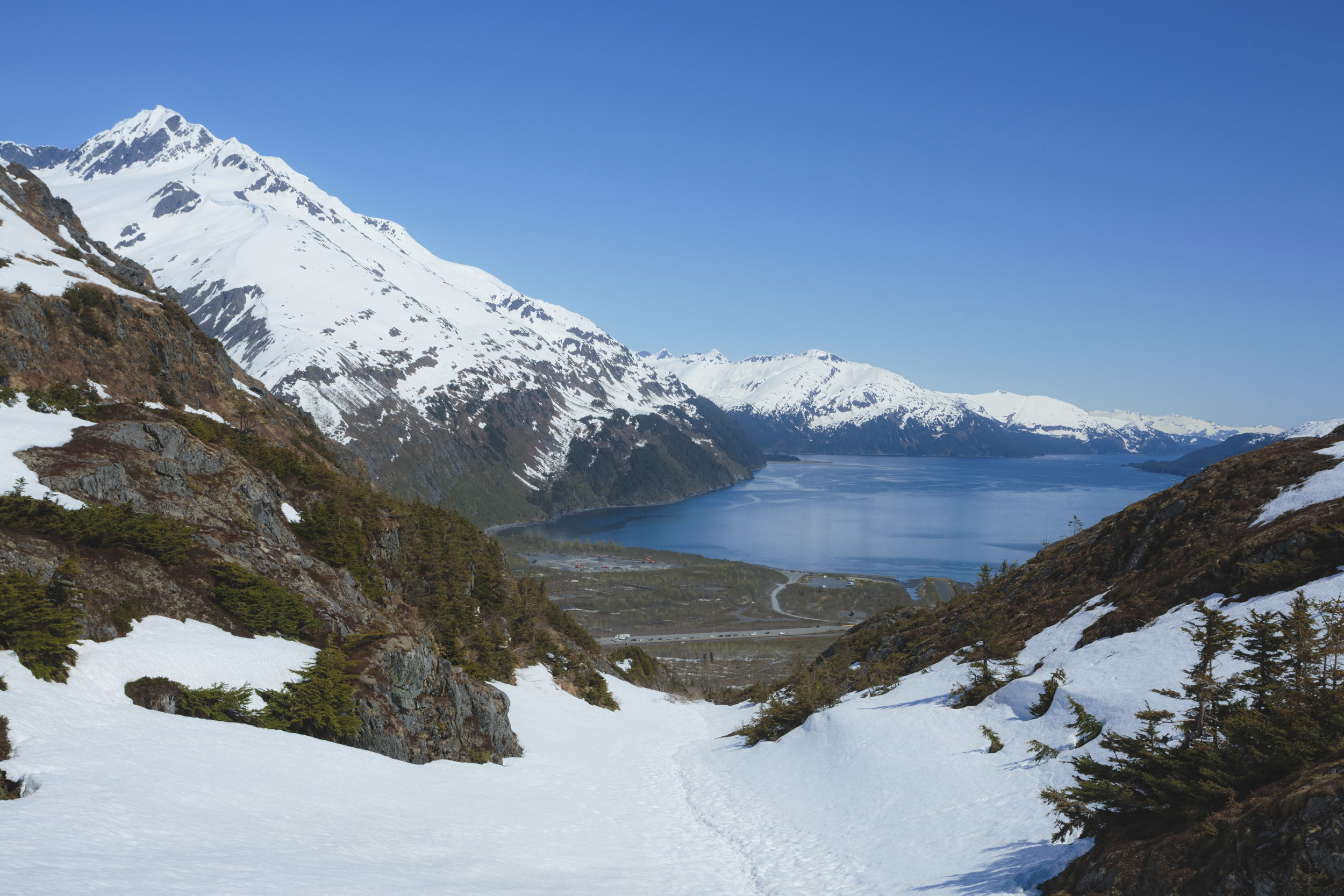
Portage Pass Trail
Hike 2 to 4 miles round-trip, climbing 750 feet from the tunnel road to the only overland pass overlooking Portage Lake and the retreating Portage Glacier.
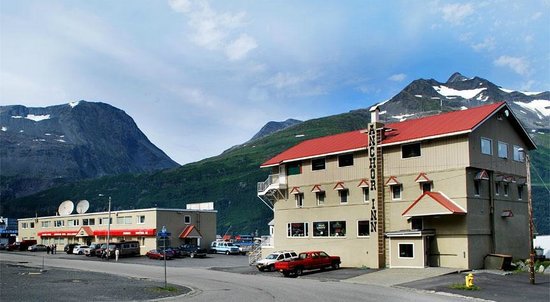
Prince William Sound Museum
Explore 32 curated exhibits documenting Whittier's wartime origin as a secretive World War II rail terminal and strategic Cold War military fortress.

Blackstone Bay Small-Boat Charter
Navigate deep into Blackstone Bay aboard a landing craft charter to approach Blackstone and Beloit Glaciers and step ashore on remote gravel beaches.

Passage Canal Sea Kayaking
Paddle protected fjord waters from Whittier Harbor along steep granite cliffs, active waterfalls, and shorelines populated by resting sea otters.
When to Visit
Seasonal shifts from bustling summer catamarans to quiet winter snows
Daily Alaska Railroad Glacier Discovery trains and glacier catamarans run at full capacity under mild 55°F to 65°F temperatures. Cruise ship transfers generate peak activity through the tunnel, making advance booking essential for all boat seats and local lodging.
Alpine hillsides turn gold and crimson as migratory sea birds congregate across the sound. Day cruises operate through early October, though regular Alaska Railroad service concludes by mid-September while coastal rainstorms increase in frequency across Passage Canal.
Alaska Railroad service and major Prince William Sound catamarans launch operations in early to mid-May. Low-elevation trails clear while mountain passes retain snowpack, and harbor traffic remains light before the peak summer cruise transfer window opens.
Heavy maritime storms deliver several hundred inches of snow, isolating the frozen sound as town life retreats inside Begich Towers. Passenger rail services cease completely, glacier catamarans do not run, and the Anton Anderson Tunnel operates on reduced schedules.
Where to Base Yourself
Compact waterfront and historic quarters clustered around the port
Whittier Harbor & Triangle District
The bustling maritime core centered around Harbor Loop Road and the small boat marina. This district contains private boat slips, ferry berths, glacier tour docks, sea kayak outfitters, seafood shacks, and The Inn at Whittier. It serves as the primary arrival point for rail passengers and cruise departures.
Begich Towers Civic Center
The central residential hub anchored by the historic 14-story Begich Towers complex on Kenai Street. Built as a self-contained Cold War community, it houses most of Whittier's 272 residents along with town government offices, a health clinic, local grocery market, post office, and rental condo suites.
Army Port Historic District & Buckner Grounds
Located across the active railroad tracks via an underground pedestrian tunnel, this district preserves Whittier's legacy as a secret military port. The grounds feature the massive, abandoned 1953 Buckner Building alongside historical markers outlining the port's role during World War II and the Cold War era.
Food & Dining
Fresh Prince William Sound halibut, wild salmon, and harbor chowders
Thick fillets of local Pacific halibut beer-battered and served crisp with french fries.
Grilled wild salmon patties finished with fresh greens and house-made sauces on toasted buns.
Rich house-made chowder prepared with local rockfish, fresh halibut, and tender clams.
Sweet cold-water wild shrimp served steamed peel-and-eat style with drawn butter or cocktail sauce.
Swiftwater Seafood Cafe
Located in the Triangle Area, this counter-service seafood shack delivers hearty baskets of fried local halibut, rockfish, and clam chowder. An extensive tap list features 30 craft beers, making it an easy gathering place for rail and cruise travelers before tunnel openings.
Anchor Inn Restaurant & Overview Lounge
Operating year-round on Whittier Street, this classic diner serves solid breakfasts, thick burgers, fresh halibut platters, and Filipino lumpia. It functions as a steady local meeting spot, sharing space with the community museum and providing quick, dependable meals steps from town landmarks.
The Inn at Whittier Restaurant & Tavern
Set directly on the harbor waterfront, this full-service dining room pairs panoramic fjord views with Alaskan king crab legs, halibut fillets, steaks, and regional draft pours. The attached timber tavern offers relaxed seating for evening arrivals stepping off the Alaska Railroad train.
Lazy Otter Cafe
Perched by the small boat harbor, this relaxed seasonal cafe specializes in espresso drinks, hot breakfast sandwiches, savory wraps, baked goods, and warm soups. It is the natural morning stop for travelers grabbing a quick bite before boarding catamarans for day cruises into the sound.
Where to Stay
Waterfront hotels and historic inns situated steps from the rail platform
Anchor Inn Hotel
Family-owned lodging featuring clean private guest rooms, multi-bed family units, an on-site diner, laundromat, and museum.
Begich Towers Guest Suites
Self-contained condominium rental units situated inside the historic 14-story former military tower, offering kitchen amenities and direct community access.
The Inn at Whittier
Seasonal waterfront hotel situated on Harbor Loop Road featuring ocean-view and mountain-view rooms, full-service dining, and an attached tavern.
Getting Around
Navigating Whittier on foot, by catamaran, and across the harbor
On Foot
Walking is the simplest way to navigate Whittier. The Alaska Railroad depot, excursion docks, and waterfront cafes sit within a 10-minute stroll across flat harbor streets.
Glacier Day Catamarans
High-speed catamarans depart from the harbor docks, carrying visitors through Prince William Sound, Blackstone Bay, and Harriman Fjord to observe tidewater glaciers without road access.
Small-Boat Charters & Water Taxis
Local outfitters run landing-craft charters and water taxis from the marina to remote beaches, public-use cabins, and active glacial faces across Blackstone Bay.
Shared Road-and-Rail Tunnel
Travelers bringing personal vehicles must navigate the Anton Anderson Memorial Tunnel on fixed hourly schedules, yielding right-of-way to Alaska Railroad passenger trains.
Getting There
Arriving via the Glacier Discovery Train and the Anton Anderson Tunnel
Glacier Discovery trains depart Anchorage daily in summer, winding along Turnagain Arm before threading through the Kenai Mountains to Whittier Harbor.
Board the train at Girdwood for a scenic hop through Placer River valley and the tunnel straight to the Prince William Sound boat berths.
A short mountain rail run connecting Portage depot through the Anton Anderson Memorial Tunnel directly to the Passage Canal railhead.
Glacier Discovery service links backcountry rail travelers at the Spencer Glacier area back to Whittier Harbor on afternoon return schedules.
Drive south along the Seward Highway to Portage Glacier Road, staging at the western tunnel portal for entry at bottom-of-the-hour openings.
Drive east on Portage Glacier Road to the Anton Anderson Memorial Tunnel staging lanes for the 2.5-mile crossing through Maynard Mountain.
Alaska's primary commercial aviation hub, offering domestic and international airline service with direct connections to the Alaska Railroad depot downtown.
A small state-owned public airstrip serving general aviation and charter aircraft, located north of Whittier near Turnagain Arm.
Practical Information
Essential details on tunnel schedules, climate, and harbor logistics
Tunnel Access & Schedules
The Anton Anderson Memorial Tunnel operates on a fixed summer schedule. Vehicles enter Whittier on the half-hour and depart on the top of the hour.
Vehicle Tunnel Tolls
A $13.00 toll applies to eastbound Class A passenger vehicles traveling into Whittier. Westbound departures returning toward Portage travel free of charge.
Summer Climate & Rain
Summer daytime temperatures range from 55°F to 65°F. Whittier receives heavy coastal precipitation, so reliable waterproof outer shells and sturdy footwear are necessary daily.
Walking Distances
The Alaska Railroad platform, catamaran boarding slips, and the Triangle dining district sit within a 10-minute walk. Private vehicles are unnecessary for day visitors.
Glacier Cruise Timing
Major day cruises such as the 5.25-hour 26 Glacier Cruise depart around 12:00 PM. Book reservations well ahead during peak summer months.
Rail Operating Season
The Alaska Railroad Glacier Discovery Train operates mid-May through mid-September. No scheduled passenger rail service runs to Whittier during the winter.
Town Infrastructure
Nearly the entire local population resides inside the 14-story Begich Towers, which houses the post office, grocery store, and municipal offices under one roof.
Cellular Connectivity
Cellular reception is generally steady around Whittier Harbor and Begich Towers but drops rapidly once tour vessels enter remote Prince William Sound fjords.
Insider Tips
Practical advice to maximize your time on the rails and out on the water
Coordinate Travel Around the Tunnel Schedule
The Anton Anderson Memorial Tunnel opens for Whittier-bound vehicles only from the bottom of the hour between :30 and :45. Arrive at the Portage staging area at least ten minutes early. Missing the fifteen-minute access window forces an hour-long wait at the gate.
Ride the Glacier Discovery to Avoid Parking
Arriving on the Alaska Railroad Glacier Discovery train eliminates tunnel congestion and parking fees entirely. The train rolls directly into the harbor terminal, positioning passengers steps from catamaran departure gates for the 26 Glacier Cruise and nearby seafood dining shacks.
Hike the Portage Pass Trail for Fjord Views
The Portage Pass Trail climbs 750 feet over two to four miles round trip, starting right off the tunnel road. It provides the only overland perspective of Portage Lake and the retreating Portage Glacier. Pack sturdy hiking shoes to handle wet rock.
Pack Waterproof Gear for Boat Cruises
Prince William Sound catamarans bring passengers close to active tidewater glaciers in Blackstone and Harriman Fjords. Coastal weather shifts quickly, and katabatic winds off the ice drop ambient temperatures. Bring a windproof rain jacket, warm fleece, and gloves to stay comfortable outdoors.
Explore Cold War Relics at Begich Towers
Walk over to Begich Towers to experience Whittier's famous town under one roof. Originally built by the military in the 1950s, the fourteen-story building houses municipal offices, a post office, and a market. Respect resident residential spaces while touring the public ground-floor areas.
Sample Fresh Halibut in the Triangle Area
The Triangle commercial district across from the harbor is the center for local seafood dining. Head to Swiftwater Seafood Cafe for thick fillets of beer-battered Pacific halibut and rich chowder. Grab a table early between cruise arrivals to beat the afternoon counter queues.
Watch Nesting Kittiwakes Along the Cliffs
Thousands of black-legged kittiwakes nest along the sheer coastal cliffs flanking the harbor entrance every summer. Look for them during harbor departures on local charter boats or kayak rentals. Binoculars offer clear looks at active chicks clinging to narrow rock ledges.
Reserve Summer Lodging Months in Advance
Whittier has very limited overnight accommodations, primarily divided between The Inn at Whittier, condo rentals, and the Anchor Inn Hotel. Summer weekends fill completely with cruise transfers and local boaters. Secure your guest room at least two to four months ahead.
Day Trips & Excursions
Wilderness rail stops and deep-fjord marine routes through the sound
Spencer Glacier Whistle Stop
Half day to full day via Alaska Railroad Glacier Discovery TrainReachable directly by the Alaska Railroad Glacier Discovery Train from Whittier via Portage, Spencer Whistle Stop provides access into the Chugach backcountry with no road access whatsoever. The train drops passengers right beside trail systems heading toward Spencer Lake and the glaciated river basin. It operates in mid-May through mid-September with timed afternoon return rail connections back toward Portage, Girdwood, and Anchorage, offering hikers, campers, and wilderness photographers an authentic rail-only wilderness stopover without needing private vehicles.
College Fjord & Harriman Fjord
Full day · 5.25 hours aboard the 26 Glacier CruiseBoard high-speed catamarans at the Whittier harbor docks, situated a short walk from the Alaska Railroad train tracks, to voyage 130 miles through Prince William Sound into College Fjord and Harriman Fjord. The route approaches the active faces of massive tidewater glaciers, where travelers can watch calving ice fall into calm fjord waters. Phillips Cruises & Tours runs the 5.25-hour 26 Glacier Cruise daily from May 2 through October 5, 2026, pairing directly with incoming rail schedules.
Blackstone Bay
Half day · 3.75 hours by catamaran or small charterLocated just southwest of Passage Canal, Blackstone Bay offers dramatic encounters with active tidewater glaciers. Excursions depart directly from Whittier Harbor, reachable on foot from the rail terminal. Catamarans like the 3.75-hour Glacier Quest Cruise operate mid-May to mid-September, while landing-craft operators like Lazy Otter Charters navigate deep into the fjord to view Blackstone and Beloit Glaciers up close. Sheer granite cliffs, rushing waterfalls, and resting marine wildlife flank the sheltered waterway throughout the journey.
Frequently Asked Questions
Common questions on trains, tunnels, and visiting Whittier
The Alaska Railroad operates the Glacier Discovery Train connecting Anchorage, Girdwood, and Portage directly to Whittier from mid-May through mid-September. One-way Adventure Class fares run $111 to $122 for adults and $61 to $67 for children ages 2 to 11. The route provides direct transit to the port.
No, you do not need a personal car to explore Whittier. The Alaska Railroad Glacier Discovery Train deposits passengers directly at the harbor area, where glacier cruise docks, Begich Towers, cafes, and waterfront hotels sit within short walking distance. Tunnel vehicular traffic is entirely optional for train travelers.
Summer from June through August provides the best conditions, with daytime temperatures between 55°F and 65°F and daily Alaska Railroad passenger service running alongside glacier cruises. May and September offer quieter shoulder seasons, though rail service and excursion schedules wind down by mid-September as coastal rain increases.
The 2.5-mile Anton Anderson Memorial Tunnel is a shared road-and-rail passage operating on a fixed summer schedule from May 1 to September 30. Vehicle entries into Whittier run on the half-hour, departures leave on the hour, and Alaska Railroad passenger trains run through between traffic stages.
Catamarans like the 26 Glacier Cruise leave Whittier Harbor, near the Alaska Railroad tracks, to view tidewater glaciers across 130 miles of Prince William Sound. Excursions regularly pass resting sea otters, nesting black-legged kittiwake colonies, and massive calving faces across College Fjord and Blackstone Bay.
A typical day trip includes Alaska Railroad train fares between $111 and $122 each way, plus glacier cruises like the 26 Glacier Cruise starting at $219.00 for adults. Local dining entrees at places like Swiftwater Seafood Cafe or Anchor Inn range from $12.00 to $35.00.
Yes, Whittier is well suited for families thanks to smooth rail transit and calm fjord cruises. Families can ride the Alaska Railroad Glacier Discovery Train together with discounted child fares, embark on catamarans with a no-seasickness guarantee, and explore historic sites like the Prince William Sound Museum.
Yes, Rail Vacation Planners tailors complete rail journeys across Alaska to match your schedule, preferred travel pace, and party size. Specialists integrate the Alaska Railroad Glacier Discovery Train, Prince William Sound glacier cruises, and local harbor accommodations seamlessly into broader regional rail itineraries without hassle.
Begich Towers is a 14-story former Cold War army building housing almost all of Whittier's 272 residents under one roof. Located walking distance from the Alaska Railroad platform, the building contains civic offices, a grocery store, a church, and visitor condo suites available to curious travelers.
Yes, you can hike the Portage Pass Trail directly from the Whittier tunnel access area without taking a tour boat. This 2-to-4 mile round-trip route climbs 750 feet to provide views over Portage Lake and Portage Glacier before connecting back toward rail transit links.