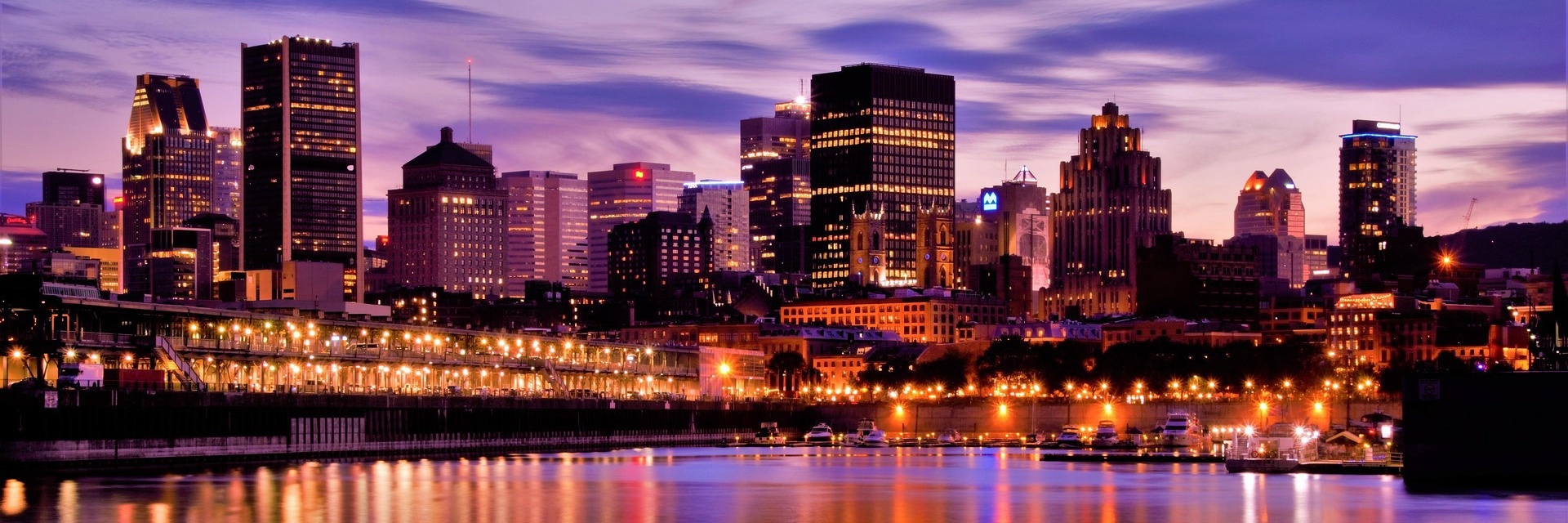
Montreal is an island metropolis at the confluence of the Saint Lawrence and Ottawa rivers — Canada's second-largest city and the cultural epicenter of French-speaking North America. Founded in the 17th century, the city balances historic stone architecture in Old Montreal with dense creative boroughs and an underground network spanning 20.5 miles. Mount Royal rises 764 feet above the urban grid, crowned by public parkland designed by Frederick Law Olmsted. Central Montreal functions seamlessly without a personal car, relying on an efficient rubber-tired metro system, extensive cycling infrastructure, and dense, highly walkable neighborhoods.
The city serves as eastern Canada's premier passenger rail crossroads from Montreal Gare Centrale. VIA Rail Corridor trains link the downtown core directly with Toronto, Quebec City, and Ottawa multiple times daily, while long-distance trains depart for Halifax on The Ocean. Cross-border Amtrak service connects the station to New York Penn Station along scenic river valleys, and western travelers make connections toward The Canadian via Toronto. Above the platforms, Montreal delivers a legendary culinary landscape marked by wood-fired bagels, hand-carved smoked meat briskets, classic Québécois poutine, and five-diamond farm-to-table dining rooms.
Top Experiences
Historic basilicas, panoramic park lookouts, and lively cultural venues across the island
Kondiaronk Belvedere in Mount Royal Park
Conceived within Frederick Law Olmsted's park design, this semicircular stone terrace stands atop the mountain. It delivers sweeping panoramic vistas extending over downtown skyscrapers, the Saint Lawrence River shoreline, and the distant Monteregian Hills from Mount Royal, whose summit reaches 764 feet above sea level.
Notre-Dame Basilica of Montreal & AURA
This 1829 Gothic Revival landmark displays a cobalt-blue vaulted ceiling with 24-karat gold stars. In the evening, it presents AURA, Moment Factory's 25-minute immersive light and sound show (about 45 minutes with the illuminated walk-through).
Montreal Botanical Garden
Spanning 185 acres within the Space for Life district, this research complex features 10 exhibition greenhouses alongside cultural grounds including authentic Chinese, Japanese, and First Nations gardens.
Montreal Museum of Fine Arts
Founded in 1860 along Rue Sherbrooke Ouest, this encyclopedic museum encompasses five interconnected pavilions housing over 45,000 works of Canadian, Inuit, Indigenous, and international fine art.
Saint Joseph's Oratory of Mount Royal
Founded in 1904 by Saint Brother André, this National Historic Site features a church dome rising 318 feet, offering multi-tiered terraces for sunset vistas over Montreal.
The Underground City (RÉSO)
A climate-controlled network stretching 20.5 miles beneath downtown. It links Montreal Gare Centrale, 10 Metro stations, and retail complexes, sheltering pedestrians completely from harsh winter weather.
When to Visit
Warm summer festival seasons give way to crisp autumn foliage and snowy winter celebrations
Daily temperatures reach 75°F to 82°F with occasional humid spikes above 86°F. Downtown avenues turn pedestrian-only, outdoor terrasses fill, and open-air events take over the city. Expect peak hotel rates and dense crowds across Old Montreal.
Afternoon highs drop from 68°F in September to 37°F to 46°F by November. Vibrant autumn foliage blankets Mount Royal, accompanied by museum season openings. Daylight hours shorten rapidly, and most sidewalk terrasses close down by late October.
Sub-zero conditions bring January lows near 8°F and highs near 23°F alongside over 78 inches of seasonal snowfall. Outdoor rinks and Igloofest thrive while the heated 20.5-mile RÉSO network provides sheltered transit. Heavy wind chill off the river requires winter boots.
Temperatures climb from 46°F in April to near 68°F by late May. Traditional sugar shacks open, green buds appear across public gardens, and accommodation rates remain low before the summer rush. Early spring encounters melting snow and unpredictable rainfall.
Where to Base Yourself
Distinct boroughs linked by metro lines, rail terminals, and pedestrian avenues
Old Montreal (Vieux-Montréal)
Founded in the 17th century along the Saint Lawrence River shoreline, this historic district is distinguished by narrow cobblestone lanes and preserved 18th-century limestone facades. Centered around Place d'Armes and Place Jacques-Cartier, the quarter features art galleries, boutique hotels, and landmark architecture within walking distance of the Old Port promenade.
Le Plateau-Mont-Royal
Positioned northeast of Mount Royal, this densely populated residential borough is famous for Victorian triplex row houses framed by exterior spiral iron staircases. The neighborhood offers an energetic streetscape lined with colorful murals, indie fashion boutiques, neighborhood parks like Parc La Fontaine, and celebrated 24-hour culinary fixtures along Rue Rachel and Boulevard Saint-Laurent.
Downtown Montreal & Quartier des Spectacles
Anchored by Rue Sainte-Catherine and Boulevard René-Lévesque, the city's commercial downtown houses major corporate towers, performance venues at Place des Festivals, and direct connections to Montreal Gare Centrale. The entire district integrates seamlessly with the 20.5-mile subterranean RÉSO network, allowing effortless car-free access to shops, theaters, and intercity passenger rail lines.
Food & Dining
Wood-fired bagels, hand-sliced smoked meat, and progressive Québécois gastronomy
Cured beef brisket warm-steamed, hand-sliced to order, and stacked high on rye bread with yellow mustard.
Freshly cut French fries topped with squeaky white cheddar cheese curds and smothered in hot brown gravy.
Hand-rolled rings poached in honey water and baked in hardwood ovens with sesame or poppy seeds.
Traditional French-Canadian spiced minced pork and beef pie seasoned with aromatic cloves and ground cinnamon.
Schwartz's Hebrew Delicatessen
Operating on Boulevard Saint-Laurent since 1928, this deli serves world-famous smoked meat sandwiches sliced warm to order. Expect long queues along the sidewalk during peak lunch hours. Platters come with classic French fries, coleslaw, and pickles. Counter seating provides an authentic look at the carvers working behind the counter.
La Banquise
Located in Le Plateau-Mont-Royal, this casual eatery operates 24 hours a day and features more than 28 distinct variations of poutine. Diners choose from traditional curd combinations to loaded platters topped with bacon or guacamole. Its proximity to Parc La Fontaine makes it a favorite late-night stop for visitors.
St-Viateur Bagel
Baking fresh bagels around the clock in Mile End since 1957, this bakery uses wood-fired ovens to produce dense, honey-poached rings coated with sesame or poppy seeds. Customers can purchase single hot bagels straight from the oven or full dozens to take along on train journeys from Montreal Gare Centrale.
Au Pied de Cochon
Chef Martin Picard's lively dining room on Rue Duluth Est celebrates decadent Québécois cuisine with dishes focusing on pork and foie gras. Signatures include duck in a can alongside rich starters like tarragon beef tongue. The dining room fills weeks in advance, making reservations essential for an evening meal.
Where to Stay
Historic railroad hotels, design-forward hostels, and modern downtown boutiques
M Montreal
A centrally located hostel in the Quartier Latin featuring air-conditioned dormitory bunks and stylish private en-suite guest rooms within walking distance of the Metro.
Hotel Monville
A sleek 269-room downtown property offering automated check-in kiosks, robot room service, and expansive floor-to-ceiling windows close to Old Montreal.
Fairmont The Queen Elizabeth
A landmark 950-room hotel situated directly above Montreal Gare Centrale, offering immediate elevator access to VIA Rail platforms and underground concourses.
The Ritz-Carlton, Montreal
An iconic Five Diamond property along Rue Sherbrooke Ouest in the Golden Square Mile, serving luxury travelers with refined heritage hospitality since 1912.
Getting Around
An underground metro, integrated city buses, and climate-controlled subterranean corridors
Montreal Metro (STM)
Four rubber-tired underground rapid transit lines serve 68 stations across the city from 5:30 AM to 1:00 AM. Single Zone A tickets cost CAD $3.75, while 24-hour passes run CAD $11.25.
STM City Buses & Airport Express
Over 200 daytime bus routes cover the island with free two-hour transfers to the Metro. The 747 Express bus runs 24/7 between the airport and downtown for CAD $11.25 including transit access.
Réseau express métropolitain (REM)
This automated, 100% electric light rail system departs Montreal Gare Centrale south across the Saint Lawrence River to Brossard and northwest to Deux-Montagnes (since November 2025), fully integrated with the metropolitan fare network.
BIXI Bike-Share
From April through November, BIXI provides more than 13,000 standard and electric-assist bicycles at about 1,000 docking stations, accessible by mobile app for CAD $1.60 unlock plus per-minute rates.
Getting There
Frequent VIA Rail corridor departures and direct rail service into Gare Centrale
VIA Rail runs about six daily direct trains covering 335.5 miles between Toronto Union Station and Montreal Gare Centrale, offering Economy and Business Class.
Four to five daily trains link Quebec City Gare du Palais with Montreal Gare Centrale across 155.3 miles, providing comfortable seating with power outlets.
Five daily Corridor departures connect Canada's capital with Montreal across 115 miles, delivering a convenient rail link between downtown Ottawa Station and Gare Centrale.
VIA Rail's historic overnight train covers 1,352 km (840 miles) three times weekly (Wednesday, Friday and Sunday), offering Sleeper Plus private cabins with inclusive dining car meals into Gare Centrale.
Amtrak operates daily service across 381 miles from New York Penn Station to Montreal Gare Centrale, featuring scenic Hudson Valley and Lake Champlain views.
Located 12.4 miles southwest in Dorval. Connected around the clock by the STM 747 Express bus for CAD $11.25, or by fixed-rate taxis running CAD $48 to $53.
Located 9.3 miles east of downtown in Saint-Hubert on the South Shore, handling scheduled regional domestic carrier flights.
Major multi-lane expressway linking Montreal westward to Ontario toward Toronto, and eastward along the south shore of the Saint Lawrence River toward Quebec City.
Primary north-south corridor connecting downtown Montreal directly to the United States border, providing road access from upstate New York.
Practical Information
Essential details on currency, local transit passes, sales tax, and city customs
Local Currency & Payments
Transactions use the Canadian Dollar (CAD). Contactless debit, credit cards, and mobile payments are universally accepted across shops and transit.
Language Etiquette
French is the official provincial language. While English is spoken in central hubs, greeting staff with "Bonjour" is standard local courtesy.
Sales Taxes
Posted retail and restaurant prices exclude taxes. A combined 14.975% sales tax (5% federal GST plus 9.975% provincial QST) is added to subtotals.
Tipping Expectations
Restaurant and bar bills do not include service gratuities. Standard tipping rates range between 15% and 20% on the pre-tax total for table service.
Underground Mobile Coverage
4G LTE cellular coverage is maintained across all underground Montreal Metro tracks, platforms, and subterranean concourses.
Legal Drinking Age
The legal drinking age in Quebec is 18. Beer and wine are sold in local stores, while spirits are restricted to government-run SAQ outlets.
No Right Turns on Red
Turning right at red traffic signals is strictly prohibited across the entire Island of Montreal unless an explicit green arrow indicates otherwise.
Winter Footwear & Gear
Sub-zero temperatures from December to March require insulated winter boots with gripping soles, windproof parkas, and thermal underlayers.
Insider Tips
Local advice for navigating transit routes, observation decks, and seasonal weather
Arrive Direct via Montreal Gare Centrale
Arriving by VIA Rail places you right at Montreal Gare Centrale, located directly beneath downtown. The station provides immediate access to the Orange Metro line and the climate-controlled Underground City network, allowing you to walk straight to your hotel without stepping into street traffic or cold winter weather.
Purchase Multi-Day STM Transit Passes Early
Instead of buying individual CAD $3.75 transit tickets, buy an unlimited 24-hour pass for CAD $11.25 or a 3-day pass for CAD $21.75 at any station kiosk. These passes cover all four Metro lines and city buses across the island, providing seamless hopping between Old Montreal, Downtown, and the Plateau.
Navigate the 20-Mile RÉSO Network
During cold winter days or humid summer afternoons, take advantage of the 20.5-mile RÉSO Underground City. This heated, subterranean network connects Gare Centrale with ten Metro stations, shopping galleries, and cultural centers, allowing you to cross significant stretches of downtown Montreal completely sheltered from the outdoor elements.
Explore Mount Royal via Transit Shuttles
Reach the Kondiaronk Belvedere lookout atop Mount Royal without hiring a taxi or driving. Frederick Law Olmsted designed the park with winding pedestrian paths, but city buses also climb the mountain directly. You will enjoy unobstructed panoramic vistas over downtown skyscrapers and the Saint Lawrence River from the stone terrace.
Time Delicatessen Visits Outside Peak Hours
Popular smoked meat counters like Schwartz's Delicatessen draw long sidewalk queues between noon and 2:00 PM. Plan your visit for mid-afternoon or late evening to secure counter seating faster. Takeout orders move via a dedicated counter line, offering a quick option if you want to eat in a nearby park.
Never Turn Right on Red Lights
If you drive on the Island of Montreal, remember that turning right on a red traffic signal is strictly illegal everywhere across the island. Unlike other parts of Quebec and North America, drivers must wait for a solid green light or green arrow before turning, avoiding costly municipal traffic fines.
Sample Fresh Bagels Straight from Ovens
Visit Mile End bakeries such as St-Viateur Bagel to sample bagels warm from the wood-fired ovens. Because these bakeries run 24 hours daily, dropping by late in the evening lets you purchase fresh, sesame-coated rings straight off the wooden peels without competing with morning neighborhood crowds.
Use BIXI Stations for Summer Sightseeing
From April through November, Montreal operates more than 13,000 BIXI rental bikes at about 1,000 docking stations across city neighborhoods. The initial unlock costs CAD $1.60, letting you cruise along dedicated cycle lanes in the Plateau and the waterfront promenade of the Old Port without hailing taxis or catching buses.
Day Trips & Excursions
Historic walled capitals, national landmarks, and scenic provincial landscapes
Quebec City
Full day · 3 hours 10 minutes to 3 hours 25 minutes each way by railQuebec City is reachable directly from Montreal Gare Centrale aboard VIA Rail Corridor passenger trains, which run four to five times daily into Gare du Palais. As the only fortified walled city north of Mexico, the provincial capital centers on the cobblestone lanes of Old Quebec and the towering Fairmont Le Château Frontenac above the Saint Lawrence River. Travelers can explore historic ramparts, browse boutique storefronts along Rue du Petit-Champlain, and dine at classic French bistros before catching a return evening train back to downtown Montreal.
Ottawa
Full day · approximately 2 hours each way by railCanada's national capital sits approximately 115 miles west of Montreal and is served by five daily VIA Rail Corridor departures from Montreal Gare Centrale. The train arrives at Ottawa Station, providing quick transit access to Parliament Hill, the Rideau Canal, and prominent national cultural institutions. Visitors can tour the Gothic Revival parliament grounds, wander through the historic ByWard Market district, and visit major exhibits at national galleries before returning eastward. The consistent two-hour rail connection makes this journey an effortless and comfortable independent day trip.
Eastern Townships
Full day · 1 hour 15 minutes to 1.5 hours each way by roadLocated 62 to 78 miles southeast of Montreal along Autoroute 10, the Eastern Townships present rolling rural landscapes, heritage villages, and agricultural valleys. The lakeside communities of Magog and North Hatley feature independent cafes, historic inns, and access to Lake Memphremagog. Farther south, visitors can tour regional vineyards along the Brome-Missisquoi Wine Route or walk across the 169-metre suspended footbridge, billed as North America's longest, at Parc de la Gorge de Coaticook. It serves as an accessible escape from the urban core, particularly rewarding during autumn foliage season.
Frequently Asked Questions
Practical answers for planning your train arrival and navigating Montreal
You can reach Montreal directly by train via VIA Rail Corridor services arriving at Montreal Gare Centrale from Toronto, Ottawa, and Quebec City. Additional connections include the long-distance sleeper train The Ocean from Halifax and Amtrak's daily Adirondack from New York Penn Station, placing passengers directly beneath downtown hotels and the underground pedestrian network upon arrival at the central concourse terminal.
No, you do not need a car because Montreal possesses an extensive public transit network operated by the STM Metro alongside regional trains. Arriving at Montreal Gare Centrale places you within steps of the Orange Line Metro and the electric REM light rail, ensuring effortless car-free access across central boroughs without navigating one-way streets or downtown parking restrictions.
The best time to visit Montreal is from June through August for lively outdoor festivals, or September through October for crisp autumn foliage. Summer brings pedestrianized avenues and easy connections via the STM Metro, while autumn features comfortable walking weather across Mount Royal before winter services begin running into Montreal Gare Centrale beneath seasonal snow.
Top attractions include Mount Royal Park, the historic Old Port along the Saint Lawrence River, and the Montreal Museum of Fine Arts. Visitors can also explore the Notre-Dame Basilica and navigate the 20.5-mile heated RÉSO Underground City, which directly connects major shopping hubs to STM Metro stations and Montreal Gare Centrale for completely weather-protected transit.
A trip to Montreal typically costs between CAD $150 and $400 daily per person depending on lodging, dining, and transit choices. Advance VIA Rail Corridor train tickets start from CAD $29 to $58 in Economy Class, single STM Metro transit fares cost CAD $3.75, and casual meals like poutine or smoked meat range around CAD $10 to $20.
Yes, you can easily connect to transcontinental passenger rail by boarding a frequent VIA Rail Corridor train from Montreal Gare Centrale to Toronto Union Station. In Toronto, travelers can transfer directly onto VIA Rail's flagship sleeper service, The Canadian, which travels 4,406 km (2,738 miles) westward across the Canadian Prairies and the Rocky Mountains to Vancouver Pacific Central Station.
The primary public transit options are the STM Metro underground rapid transit network, extensive municipal bus routes, and the automated REM light rail. The four-line Metro connects 68 subterranean stations, while the electric REM departs directly from Montreal Gare Centrale across the Saint Lawrence River, providing fast, integrated transit throughout the metropolitan region.
Yes, Montreal is exceptionally family-friendly, offering safe neighborhoods, interactive attractions at the Montreal Science Centre, and sprawling green spaces like Mount Royal. Navigating the city with strollers is straightforward using the rubber-tired STM Metro network and the climate-controlled Underground City walkways linked directly to passenger rail platforms at Montreal Gare Centrale.
You should pack a heavy down parka, thermal base layers, fleece accessories, and waterproof winter boots with high-traction rubber soles. Temperatures often drop below -15°C, though you can bypass severe surface cold by traveling on the heated STM Metro lines and walking through the 20.5-mile RÉSO network connected to Montreal Gare Centrale.
Yes, our rail specialists can custom-craft a regional or transcontinental Canadian itinerary tailored to your preferred travel dates and budget. We arrange seamless journeys pairing VIA Rail Corridor routes between Montreal, Ottawa, and Quebec City with classic long-distance journeys like The Ocean to Halifax or The Canadian westbound from Toronto.