
Destination Guide
Canada
VIA Rail's routes connect Canada coast to coast — from the busy Québec City–Windsor Corridor to the Ocean to Halifax and the transcontinental Canadian to Vancouver.
Why Canada
Canada maintains an extensive passenger railway network run by national carrier VIA Rail Canada, serving 410 stations over more than 12,500 km of track. Its routes range from the busy Québec City–Windsor Corridor to the overnight Ocean between Montréal and Halifax and the transcontinental Canadian between Toronto and Vancouver. Traveling across the country by train provides a direct perspective on changing geography, from dense forests and expansive prairie lands to the formidable mountain passes of the west.
The Canadian between Toronto and Vancouver is the spine of Canadian long-distance train travel, running twice weekly in each direction year-round. VIA's peak season (mid-April to mid-November) brings busier trains and changes to some onboard services, such as Park car access. The train serves as both vital intercity transportation and an immersive overland journey spanning thousands of kilometres.
Onboard Canadian long-distance trains, services cater to varied travel styles, offering seated economy accommodations alongside dedicated sleeper compartments configured for multi-day overland journeys. By anchoring your itinerary in the rhythm of the railway, travel through Canada becomes an unhurried exploration defined by the steel tracks connecting its most storied landscapes.
Popular Destinations in Canada
Canada's primary destinations and gateway cities are linked by transcontinental passenger rail corridors that cross the country's diverse landscapes.
Toronto
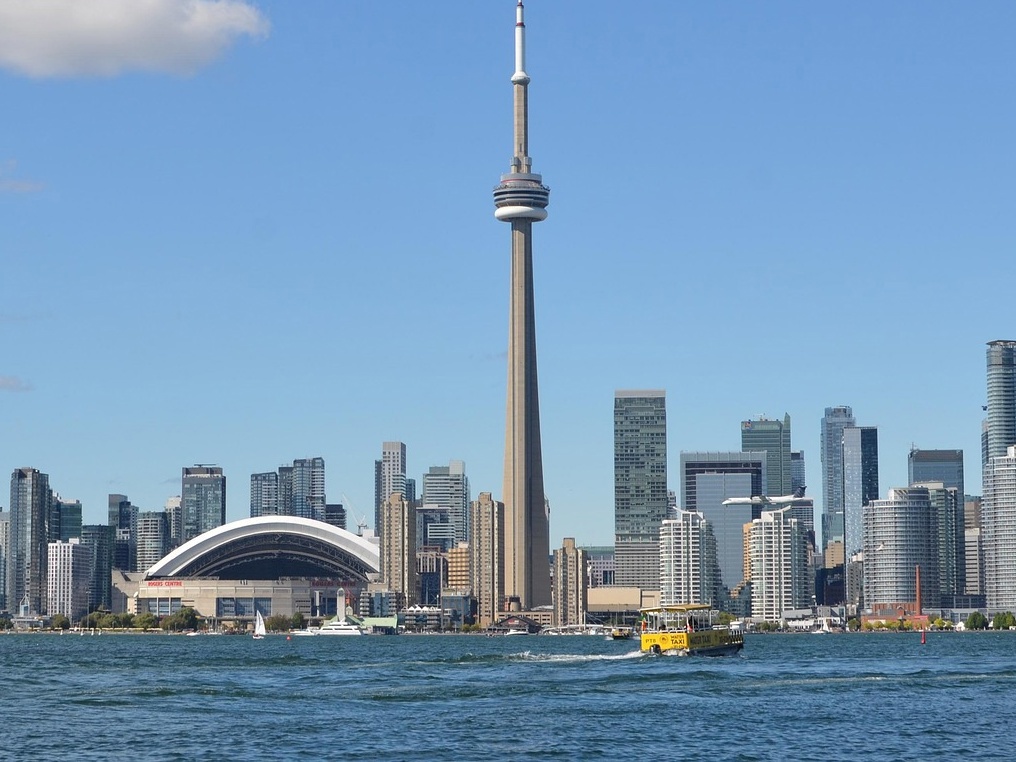
Explore Toronto by rail with VIA Rail Corridor and transcontinental routes departing Beaux-Arts Union Station on the shores of Lake Ontario in southern Ontario.
Lake louise
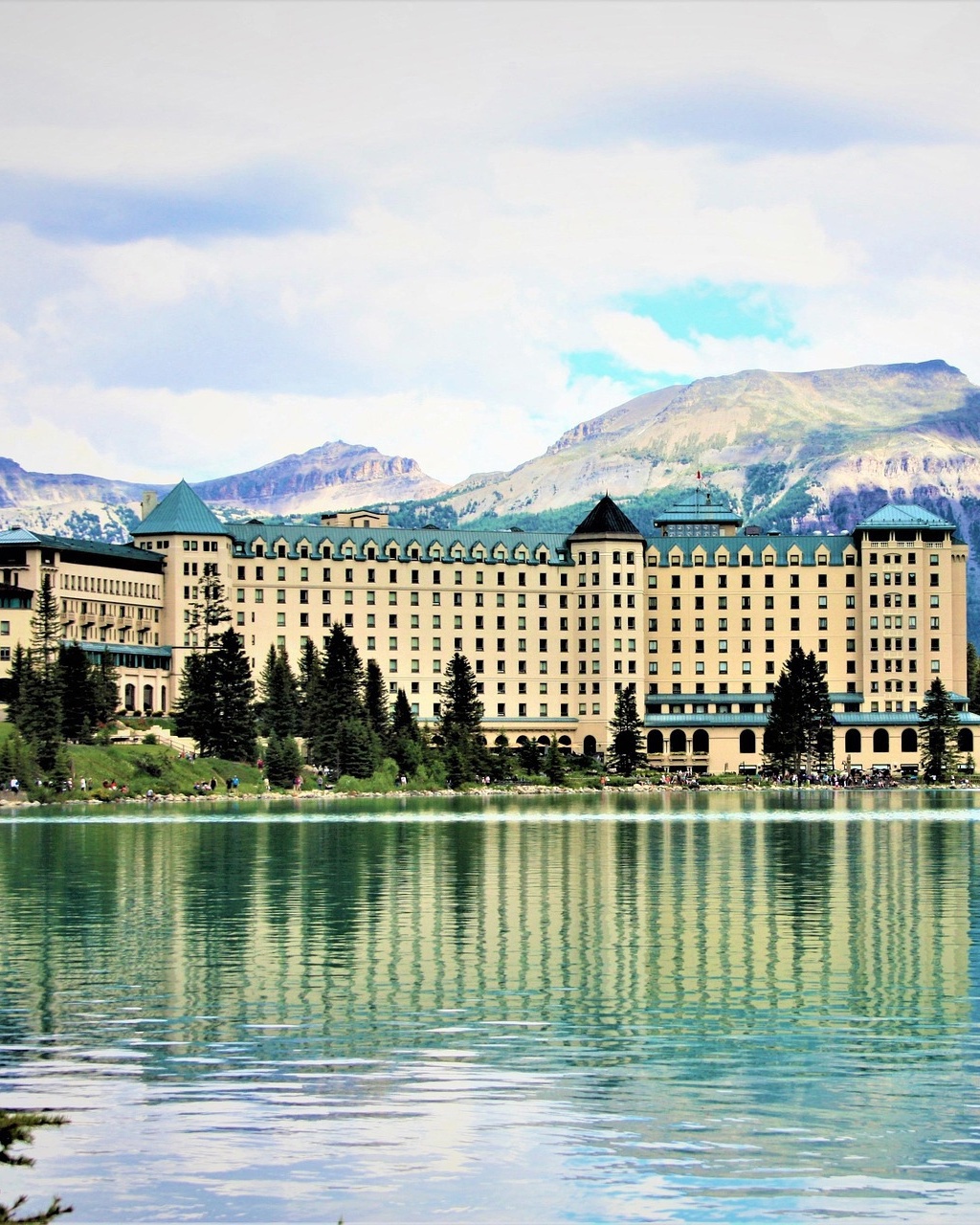
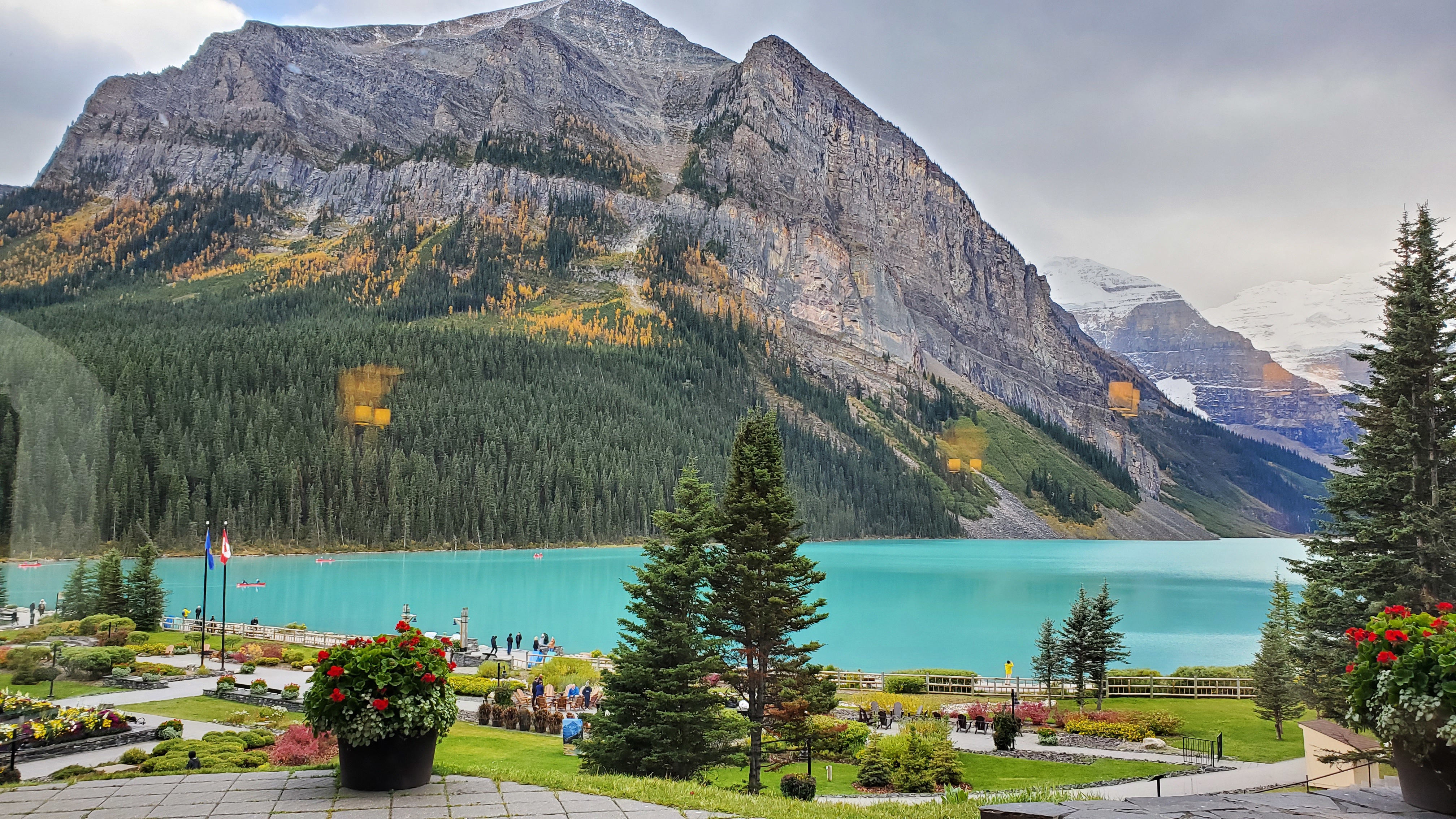
Lake Louise is an alpine glacial lake (5,740 feet) and hamlet (5,200 feet) in Alberta's Banff National Park, reached by Rocky Mountaineer's daylight rail service from Vancouver.
Vancouver
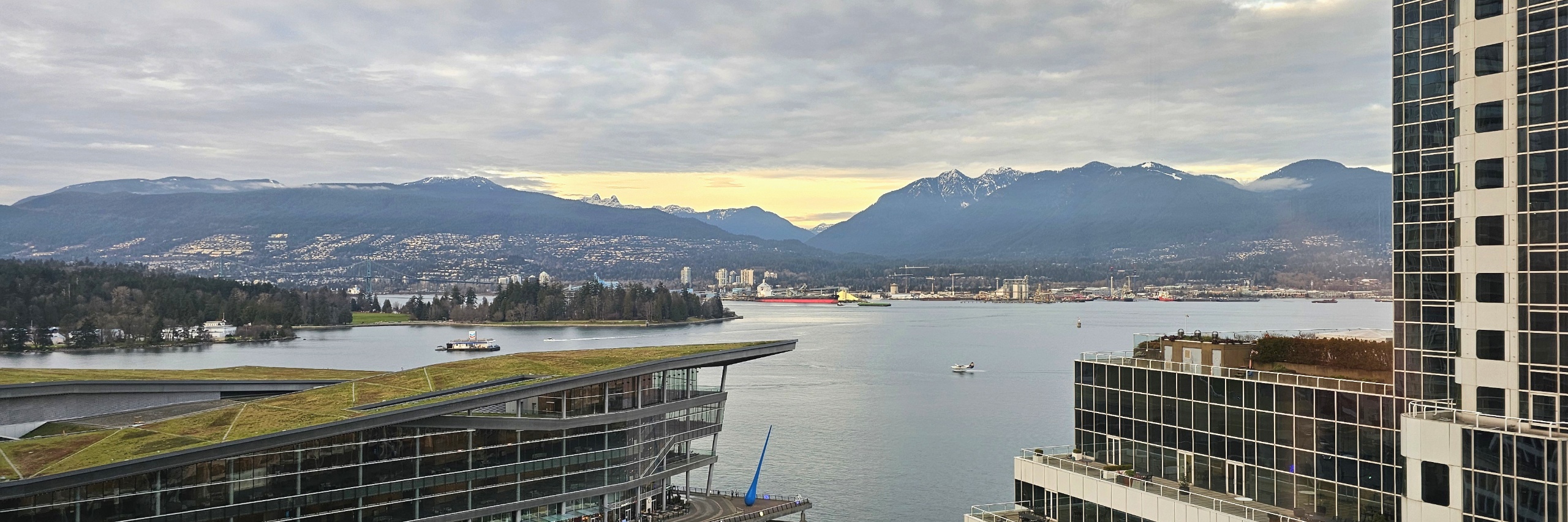
Explore Vancouver, British Columbia's coastal rail hub where VIA Rail and Rocky Mountaineer depart alongside floatplane routes and scenic harbourfront paths.

Jasper
Plan your rail trip to Jasper, Alberta aboard VIA Rail's The Canadian or Rocky Mountaineer. Tour Jasper National Park, Maligne Lake, and the Jasper SkyTram.
Banff
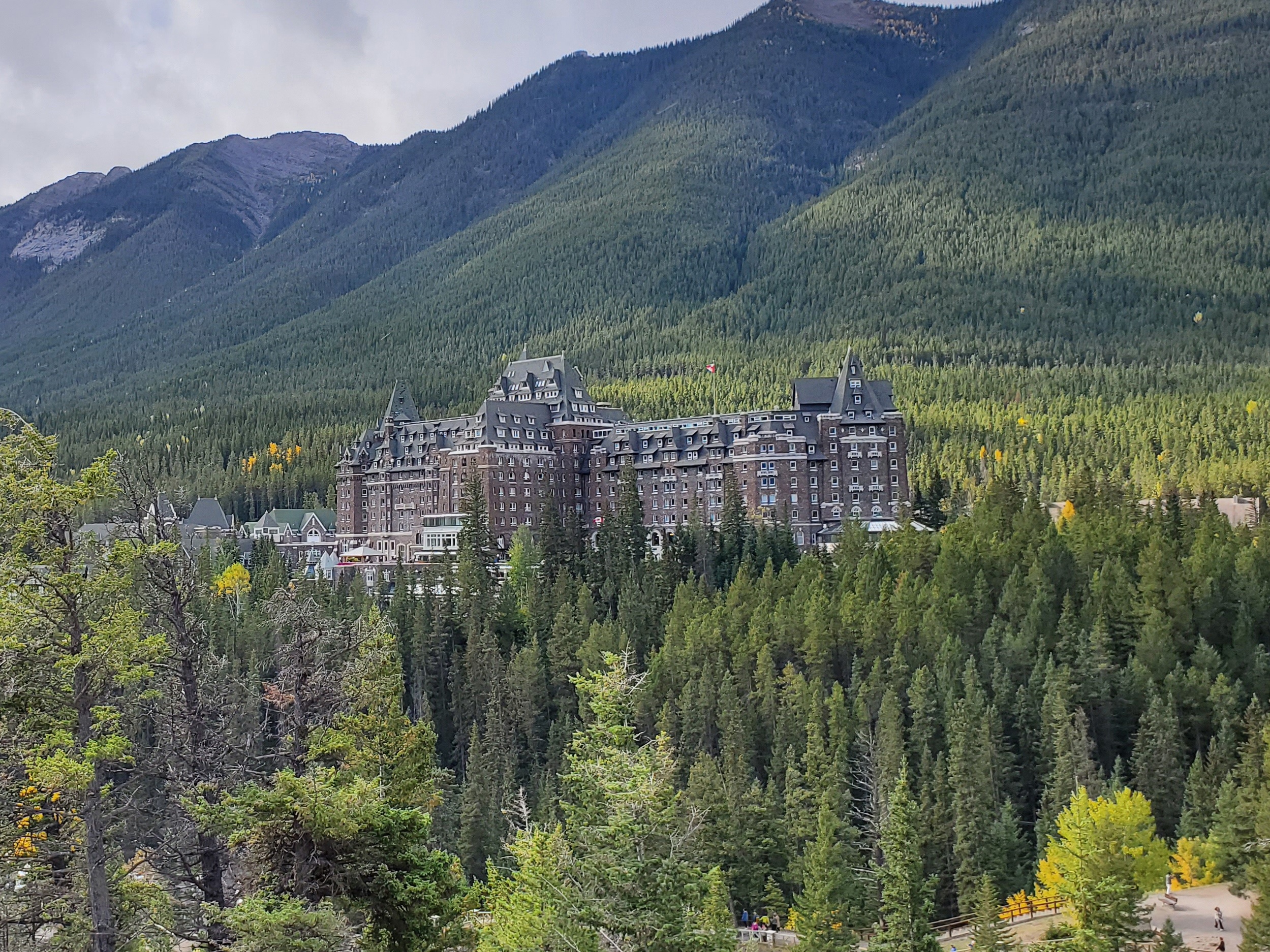
Banff anchors the Canadian Rockies as the mountain terminus for Rocky Mountaineer's First Passage to the West daylight train connecting from Vancouver.
Montreal
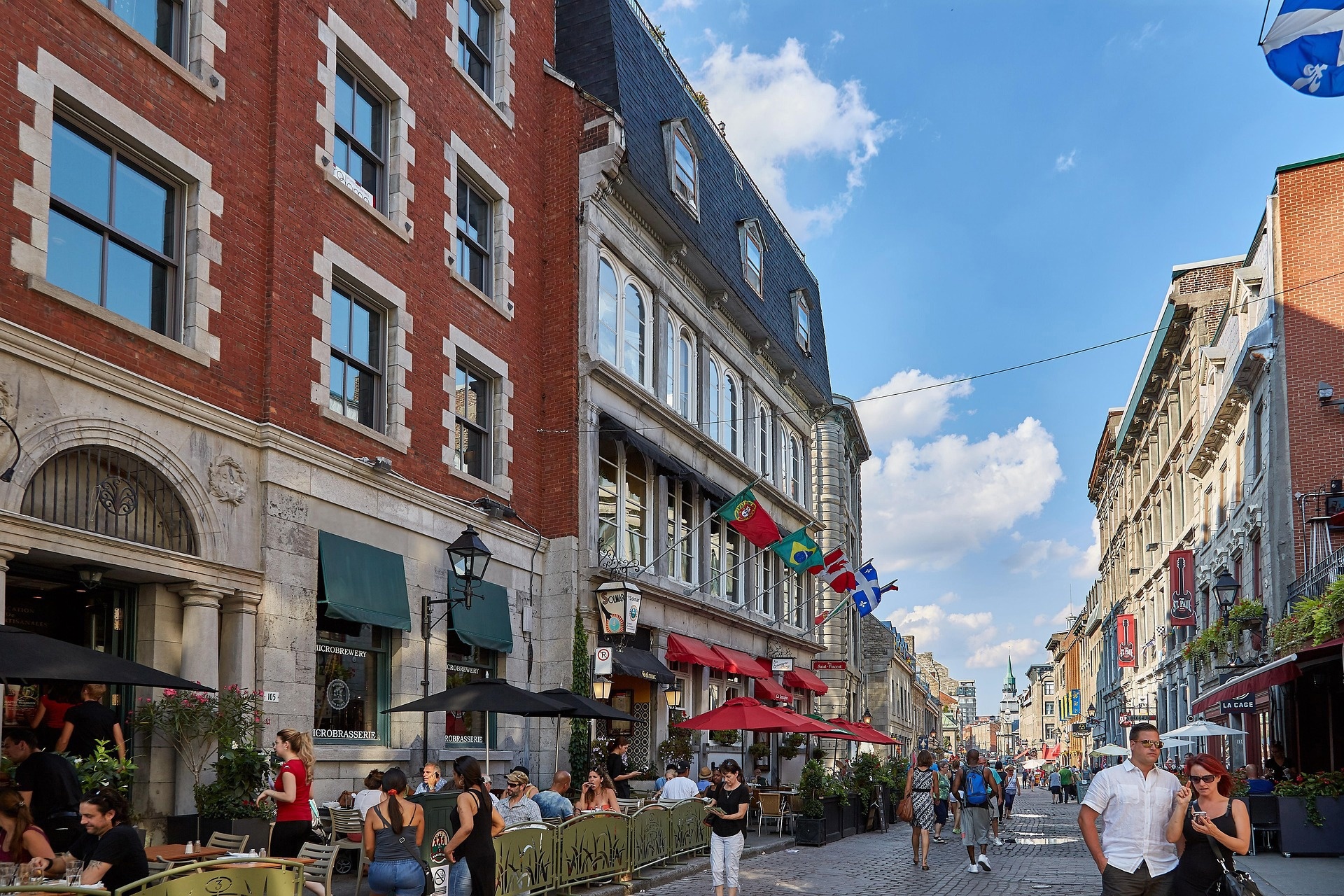
Explore Montreal, Quebec's vibrant rail hub, linked by VIA Rail and Amtrak. Discover Old Montreal, Mount Royal, culinary staples, and scenic passenger routes.

Quebec city
Visit fortified Québec City aboard VIA Rail, exploring 2.9 miles of historic stone ramparts, Lower Town cobblestones, and views over the Saint Lawrence River.
Halifax
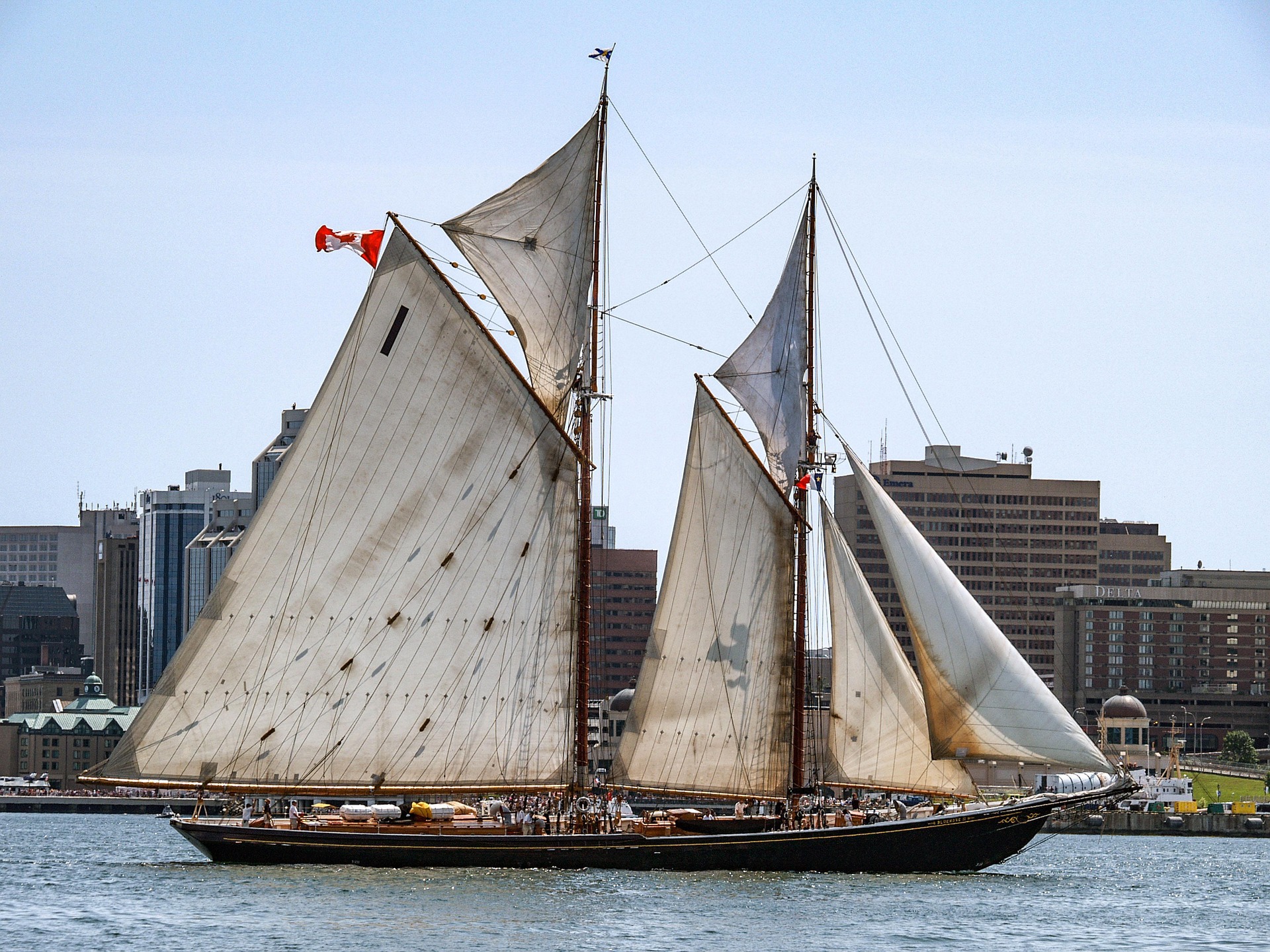
Arrive in Halifax aboard VIA Rail's Ocean from Montréal. Explore the 2.5-mile boardwalk, historic Citadel Hill, and scenic routes along the South Shore.
Prince Edward Island
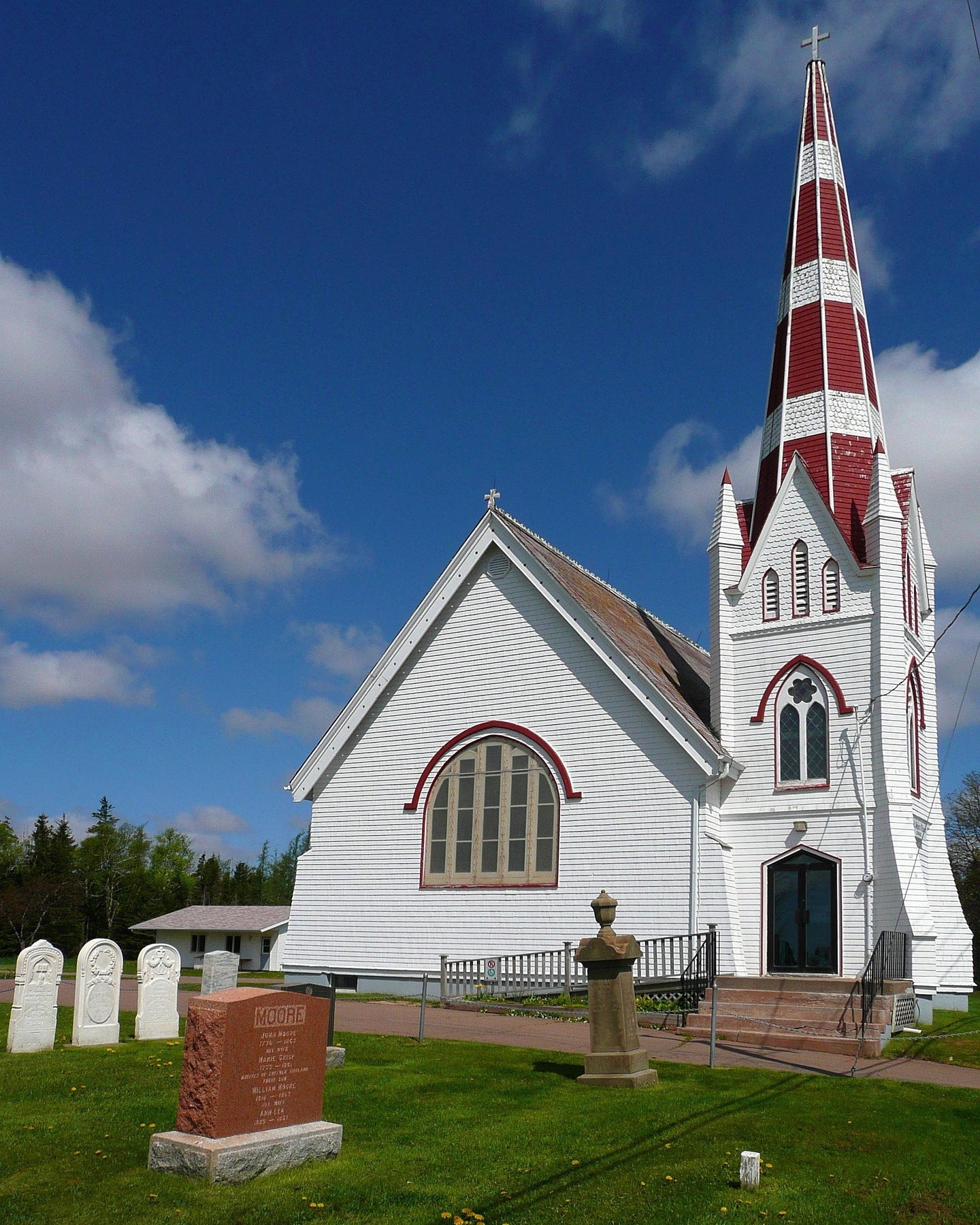
Explore Prince Edward Island: red sandstone shores, the 279-mile Confederation Trail, farm-to-table dining, and rail transfers via VIA Rail in Moncton.
Scenic Train Routes in Canada
Canada's scenic rail journeys include the transcontinental Canadian from Toronto to Vancouver, the overnight Ocean from Montréal to Halifax, and VIA's remote routes to Churchill and Prince Rupert.
Essential Travel Information
Frequently Asked Questions
VIA Rail Canada, a federal Crown corporation, runs Canada's national intercity and long-distance passenger service. Its network covers 410 stations and more than 12,500 km, including the Québec City–Windsor Corridor, the Ocean between Montréal and Halifax, the Canadian between Toronto and Vancouver, and scenic routes to communities such as Churchill and Prince Rupert.
The Canadian, operated by VIA Rail, runs between Toronto and Vancouver twice weekly in each direction. The four-night journey crosses five provinces, traversing lakes, expansive prairies, and dramatic mountain scenery, and is Canada's signature cross-country rail experience.
Yes. VIA Rail's long-distance trains run year-round. On the Canadian, VIA's peak season (mid-April to mid-November) is the busiest period and changes some onboard services, such as Park car access, but the twice-weekly schedule continues through the winter.
On the Canadian, Sleeper Plus offers curtained berths or private cabins for one, two or three, and Prestige class offers a larger cabin with a private washroom and shower. On the Ocean, Sleeper Plus cabins sleep two, and some have a shower. Economy seating is available on both trains.
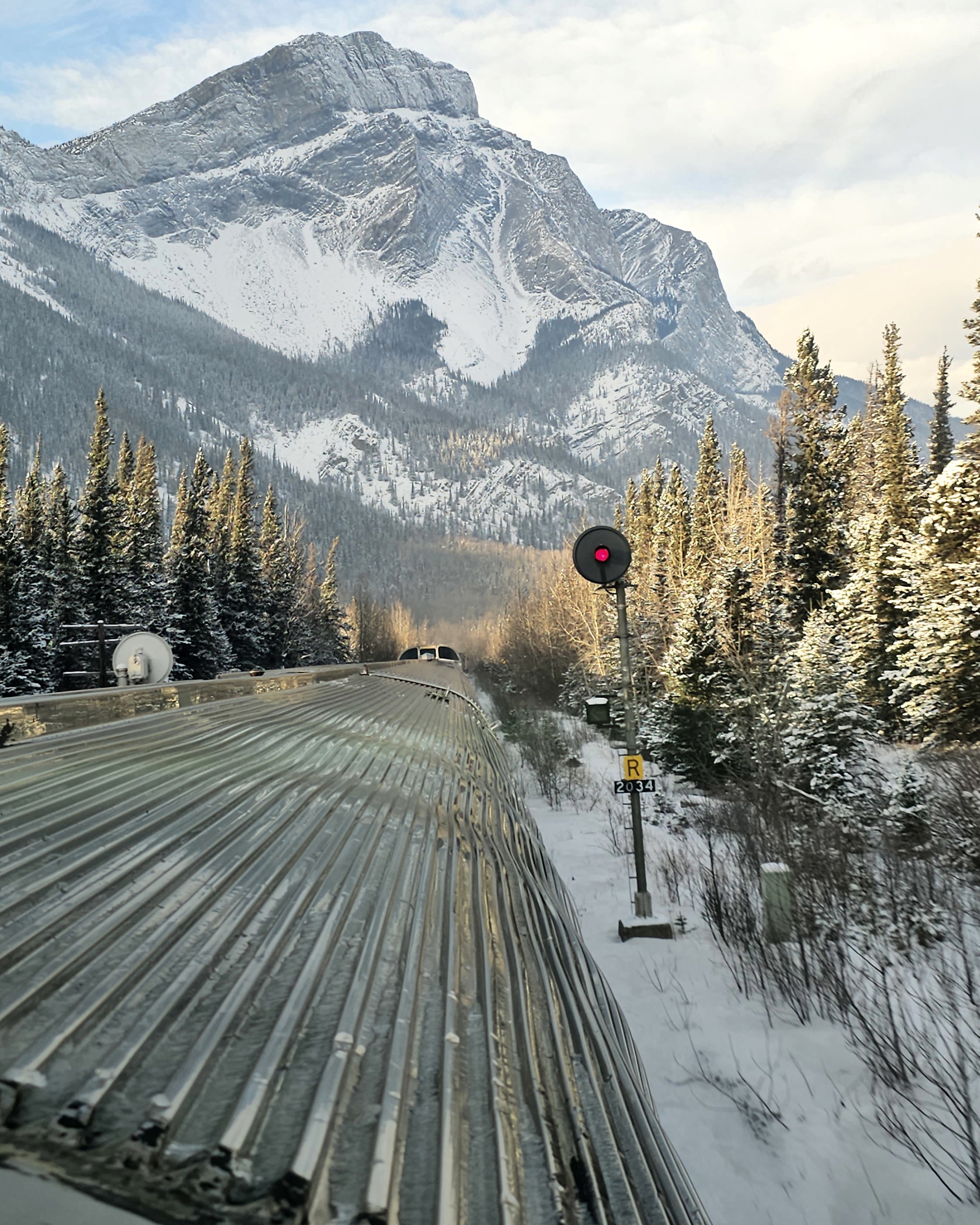
The summer season from late spring through early autumn is generally considered the best time for train travel in Canada due to longer daylight hours. Summer journeys between Toronto and Vancouver provide maximum visibility of changing landscapes, while winter departures offer quiet carriages and dramatic snowscapes across the countryside.
You should book Canadian transcontinental rail travel several months in advance, especially if you plan to reserve sleeper accommodations during the peak summer season. VIA Rail Canada routes between Toronto and Vancouver see high demand for private cabins, making early reservations essential for securing your preferred travel dates and cabin types.
Yes, you can travel directly between Toronto and Vancouver on a transcontinental passenger train operated by VIA Rail Canada. This multi-day rail voyage links Ontario and British Columbia, carrying passengers across thousands of kilometres of Canadian terrain. It remains one of the premier overland journeys in North America.
Meals are typically included for passengers traveling in sleeper accommodations on long-distance trains operated by VIA Rail Canada. Sleeper guests enjoy prepared dining car service featuring regional Canadian cuisine as part of their rail journey, while passengers in economy seating have access to onboard cafes offering meals and snacks for purchase.
Yes, Canadian passenger trains provide dedicated luggage options including checked baggage service on major long-distance routes and carry-on storage inside passenger cars. VIA Rail Canada permits personal items and carry-on bags in sleeper compartments, while larger luggage items can typically be checked through to final destinations like Toronto or Vancouver.
Summer rail travel in Canada features extended daylight and warmer conditions, while winter travel showcases snow-covered landscapes and quieter trains. The Canadian keeps the same twice-weekly schedule all year; VIA's peak season (mid-April to mid-November) brings busier trains and limits some onboard services, such as Park car access.
Yes, VIA Rail Canada provides accessible services and specialized accommodations for passengers with reduced mobility on its major rail routes. Accessible cabins and wheelchair-compatible facilities are available on select transcontinental equipment, though advance coordination is strongly recommended to ensure appropriate station assistance in hubs such as Toronto and Vancouver.
Yes, combining a transcontinental train journey with hotel stays in gateway cities like Toronto and Vancouver is a classic way to experience Canada. Travelers often spend several days exploring urban landmarks, museums, and waterfront districts before or after embarking on their multi-day VIA Rail Canada overland expedition across the country.
You should pack comfortable clothing, layered garments, essential personal toiletries, and a compact day bag for your time onboard Canadian trains. Because space in private sleeper cabins on VIA Rail Canada services is compact, keeping necessary items easily accessible in a small carry-on ensures a smooth journey between Toronto and Vancouver.
Economy class offers reclining seats suited for shorter distances, while sleeper classes provide lie-flat beds and private rooms for multi-night Canadian journeys. On cross-country routes operated by VIA Rail Canada between Toronto and Vancouver, sleeper passengers receive dining car meals and access to panoramic lounge cars, whereas economy passengers purchase food independently.