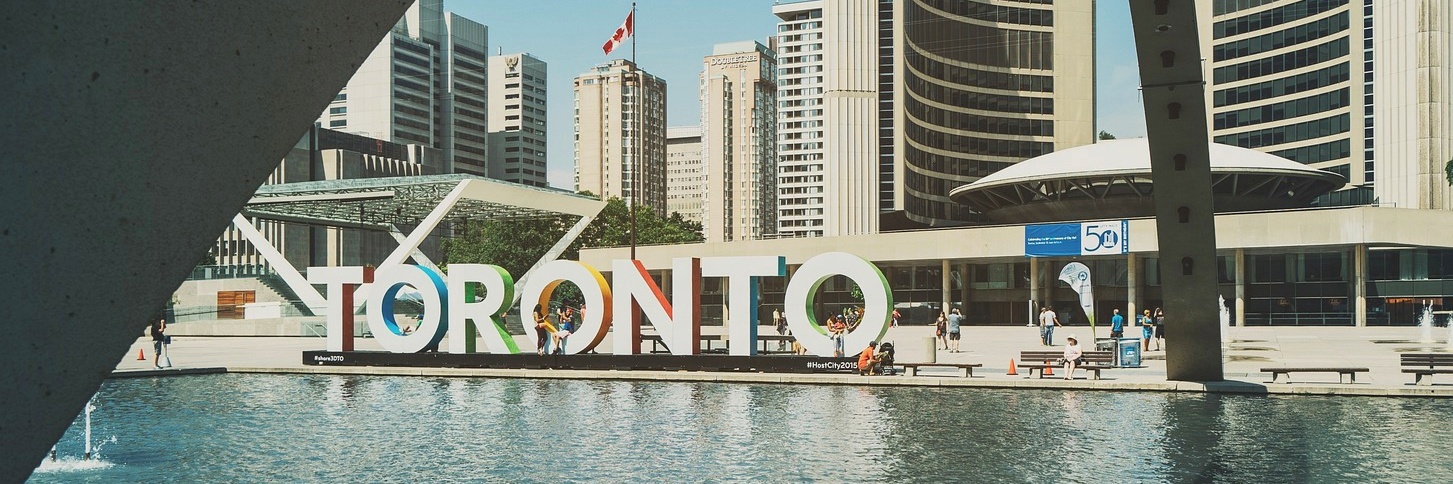
Toronto is the provincial capital of Ontario on the northwestern shore of Lake Ontario — Canada's largest city and the central hub of the national passenger rail network. Centred on the Beaux-Arts Union Station, which opened in 1927 and serves over 72 million passengers annually, the city anchors VIA Rail's transcontinental and regional Corridor routes. From here, The Canadian departs westbound toward Vancouver across 2,738 miles of varied terrain, while Corridor trains run east to Ottawa and Montreal. Within walking distance of the rail platforms stand the 553.3-metre CN Tower and the historic 1845 food halls of St. Lawrence Market.
The city functions exceptionally well without a car. The Toronto Transit Commission runs heavy-rail subways, buses, and low-floor streetcars along main arteries like Queen and King Streets, charging a standard flat adult fare of $3.30 CAD with a two-hour transfer window. Below street level, the climate-controlled PATH network spans over 18.6 miles of continuous walkways connecting Union Station to office towers and subway stops. Above ground, distinct neighbourhoods define the urban core: the red-brick lanes of the Victorian Distillery Historic District, the independent stalls of bohemian Kensington Market, and the car-free trails of the nearby Toronto Islands.
Top Experiences
From observation decks at the CN Tower to royal museum collections
CN Tower & EdgeWalk
Standing as a defining engineering landmark on the downtown skyline, the tower features indoor observation decks and a transparent glass floor. Adventurous visitors can step outside onto EdgeWalk, a hands-free open-air circuit along the exterior ledge circling the pod.
Toronto Union Station
Canada's busiest rail terminal opened in 1927, serving as the departure hub for VIA Rail's transcontinental Canadian to Vancouver and high-frequency Corridor trains to Montreal and Ottawa.
Royal Ontario Museum
Explore Canada's largest museum of world culture and natural history, housing over 18 million artifacts behind the dramatic Michael Lee-Chin Crystal facade.
Art Gallery of Ontario
Redesigned by architect Frank Gehry, this major museum exhibits over 120,000 artworks, including the Group of Seven collection and European masterworks.
St. Lawrence Market
Operating inside an 1845 brick hall, this renowned food market features dozens of artisanal merchants selling farm cheeses, fresh produce, and peameal bacon sandwiches.
Toronto Islands
A 10-to-15-minute public ferry delivers passengers to a car-free archipelago offering paved cycling paths, sandy swimming beaches, and panoramic downtown skyline views.
When to Visit
Four distinct seasons bring summer waterfront patios, autumn foliage, and winter skating
Temperatures sit between 20°C and 30°C+ with high humidity, making this the prime season for patio dining, beaches on the Toronto Islands, and outdoor cultural events. Expect peak hotel rates and dense summer crowds across central downtown attractions.
Temperatures range from 10°C to 22°C in September before dipping toward 5°C to 14°C in late October. Crisp conditions suit ravine walks and Don Valley foliage, though early September film festival dates trigger sharp hotel price spikes.
Winter brings snowfall and temperatures between -10°C and 2°C. While cold winds sweep Lake Ontario, visitors enjoy uncrowded museums, skating at Nathan Phillips Square, and indoor transit through the 18.6-mile climate-controlled PATH underground network.
Spring temperatures climb from 5°C to 18°C across April and May. Late April brings the High Park cherry blossoms alongside lower shoulder-season hotel pricing, though travelers should prepare for variable weather with sudden rain and chill lake breezes.
Where to Base Yourself
Historic distillery corridors, bohemian market streets, and downtown rail-connected hubs
Old Town & St. Lawrence
Centred on the historic 1793 settlement core and the wedge-shaped Gooderham Flatiron Building, this walkable neighborhood features preserved 19th-century brick commercial buildings and the lively St. Lawrence Market. Its immediate proximity to Union Station makes it an effortless base for exploring downtown on foot while maintaining direct access to national rail lines.
Kensington Market
A bohemian National Historic Site west of downtown, this compact neighborhood comprises dense Victorian residential streets lined with independent vintage boutiques, open-air produce stands, and specialty cheese mongers. It provides a relaxed, countercultural atmosphere filled with multicultural street-food stalls, small bakeries, and casual taquerias reachable via the 510 Spadina streetcar corridor.
Distillery Historic District
Set within the preserved 1832 Gooderham & Worts whiskey distillery, this pedestrian-only heritage quarter contains 47 Victorian-era industrial buildings interconnected by red-brick cobblestone lanes. Free of vehicular traffic, the district is dedicated to contemporary art galleries, artisan spirit tasting rooms, outdoor café patios, performing arts theaters, and seasonal winter holiday markets.
Food & Dining
Peameal bacon rolls, Ontario butter tarts, and multicultural neighborhood cuisine
Thick-cut wet-cured pork loin rolled in yellow cornmeal, griddled hot, and served on a bakery roll.
A classic pastry tart shell filled with rich, semi-solid custard made from butter, sugar, and syrup.
Crisp fresh-cut french fries topped with melting cheese curds and smothered in rich, steaming meat gravy.
Spiced ground beef baked inside a flaky, golden-yellow turmeric pastry shell, popular throughout Toronto.
Richmond Station
Located at 1 Richmond Street West in the Financial District, this culinary stop is led by Top Chef Canada winner Carl Heinrich. Diners can order à la carte mains or the seasonal six-course Chef's Tasting Menu. The restaurant operates a strict hospitality-included policy with zero tipping required.
Canoe
Set high on the 54th floor of the TD Bank Tower on Wellington Street West, Canoe presents panoramic city vistas alongside seasonal Canadian gastronomy. Menus highlight ingredients such as British Columbia halibut, venison, and wild mushrooms across weekday lunch sets or the expanded dinner menu.
Carousel Bakery
Operating inside the bustling brick hall of St. Lawrence Market at 93 Front Street East, Carousel Bakery is the home of Toronto's original peameal bacon sandwich. Sandwiches are carved and served rapidly on soft rolls, making it a reliable breakfast stop before catching a morning departure.
PAI Northern Thai Kitchen
Situated at 18 Duncan Street in the Entertainment District, this energetic basement dining room by Chef Nuit Regular serves northern Thai specialties. The menu showcases khao soi egg noodles, rich green curries, and signature pad thai dishes, complemented by signature cocktails in an informal, communal setting.
Where to Stay
From landmark railway hotels opposite Union Station to eco-conscious market hostels
Planet Traveler Hostel
Eco-conscious hostel located at 357 College Street in Kensington Market. Features dorms, private rooms, shared kitchens, and a rooftop terrace.
Chelsea Hotel, Toronto
Full-service downtown hotel at 33 Gerrard Street West with 1,590 rooms and suites, a family pool with a 130-foot corkscrew waterslide, and an adults-only rooftop pool.
Fairmont Royal York
Historic 1929 Canadian Pacific railway hotel at 100 Front Street West opposite Union Station. Features the Library Bar and Fairmont Gold suites.
Getting Around
Subways, streetcars, and the subterranean PATH network make navigating car-free simple
TTC Subway
The rapid rail network operates high-frequency lines across the downtown core, with trains arriving every 2 to 5 minutes. Tapping a contactless payment card covers all transfers within a two-hour window.
TTC Streetcars
Modern low-floor streetcars run along major east-west arteries like King and Queen Streets, as well as north-south corridors like Spadina Avenue, fully integrated into the standard municipal fare structure.
Bike Share Toronto
The municipal bike network has more than 10,000 standard and pedal-assist bikes, including 2,000 e-bikes, at docking stations across the city, accessible via single-trip purchases or day passes through a mobile app.
Toronto Island Ferries
City ferries run year-round from the Jack Layton Ferry Terminal at Bay Street to Hanlan's Point, Centre Island, and Ward's Island, with one round-trip ticket (CAD 9.57 adult) bought at the mainland terminal covering the return from any island dock.
Getting There
Union Station links national transcontinental routes, regional corridor rail, and airport express
VIA Rail's transcontinental sleeper train covers 2,737.8 miles to the Pacific coast. Westbound departures leave Union Station Wednesdays and Sundays across Economy, Sleeper Plus, and Prestige classes.
High-frequency VIA Rail departures link Union Station to Montreal Gare Centrale daily. Passengers choose between comfortable Economy seating and Business Class with included hot meals and lounge access.
Multiple daily VIA Rail trains travel 275.9 miles between Toronto and the federal capital station, offering productive work environments with power outlets and onboard food service.
Jointly operated by VIA Rail and Amtrak, this daily cross-border service connects Union Station to New York Penn Station via Niagara Falls, reaching the Canadian border in two hours.
Located 15.5 miles northwest of downtown. The Union Pearson Express train departs every 15 minutes, connecting directly to Union Station while avoiding regional highway gridlock.
Positioned on the Toronto Islands near the waterfront. Passengers use an 853-foot pedestrian tunnel or take the complimentary 15-minute electric shuttle bus to Union Station.
Highway 401 carries east-west traffic across northern Toronto, connecting to the Don Valley Parkway to enter downtown. Heavy rush-hour congestion frequently causes substantial journey delays.
The Queen Elizabeth Way feeds directly into the elevated Gardiner Expressway from the west, skirting the southern edge of downtown near the waterfront and Union Station.
Practical Information
Local sales taxes, cashless payments, transit fare integration, and tipping standards
Harmonized Sales Tax
Purchases incur Ontario's 13% Harmonized Sales Tax, consisting of 5% federal and 8% provincial tax, added at checkout rather than displayed on price tags.
Accommodation Taxes
The City of Toronto applies a 6% Municipal Accommodation Tax to hotel rooms and short-term rentals, charged alongside the standard 13% sales tax.
Cashless Payment Culture
Toronto is an overwhelmingly cashless destination where tap debit, credit cards, and mobile wallets are accepted at restaurants, retail shops, and transit turnstiles.
Restaurant Tipping Norms
Tipping between 15% and 20% on pre-tax bills is standard practice in restaurants and bars, except at establishments operating explicit service-included policies.
The PATH Underground Network
Downtown features the PATH network, offering 18.6 miles of climate-controlled underground shopping corridors connecting Union Station, six subway hubs, and office towers.
Transit Fare Transfers
Tapping a credit card or debit card allows two hours of unlimited transfers across all TTC subways, buses, and streetcars without paying extra.
Tap Water Quality
Municipal tap water drawn from Lake Ontario is extensively treated, safe to drink, and readily available throughout city hotels and public water stations.
Emergency Numbers and Wi-Fi
Dial 911 for emergency services. Free public wireless access is available across TTC subway platforms, municipal library branches, and Union Station concourses.
Insider Tips
Practical local knowledge for seamless rail transfers, museum visits, and ferry trips
Ride UP Express Rather Than Taxis
Travelers landing at Pearson Airport should skip congested highway taxis and board the Union Pearson Express train. Trains depart every 15 minutes, delivering you straight into Union Station in 25 minutes for CAD 12.35, or CAD 9.25 with a PRESTO card.
Use Contactless Cards on Transit Gates
Do not wait in line to buy transit tickets. Simply tap any physical credit card, debit card, or mobile phone wallet at TTC subway turnstiles and streetcar readers. The CAD 3.30 fare includes an automated two-hour transfer window across all municipal lines.
Walk the Underground PATH During Winter
When cold lake winds or heavy snow arrive, use the 18.6 miles of interconnected underground walkways known as the PATH. This climate-controlled pedestrian system connects Union Station with six downtown subway stations, major financial towers, and over 1,200 shops completely indoors.
Book Transcontinental Sleeper Cabins Far Ahead
Seats and private bedrooms aboard VIA Rail's The Canadian sell out months in advance for summer and autumn departures. Reserve Sleeper Plus berths or Prestige Class en suite cabins early to secure your preferred departure date westbound from Toronto to Vancouver.
Take Morning Ferries to Toronto Islands
Board the public ferry from Jack Layton Ferry Terminal before 10:00 am to beat long weekend queues. The CAD 9.57 return ticket covers the 10-to-15-minute crossing to Centre Island or Ward's Island, offering skyline views and car-free paved trails.
Eat Peameal Bacon at St. Lawrence
Visit St. Lawrence Market early in the day to purchase Carousel Bakery's classic peameal bacon sandwich for CAD 9.49. The historic market hall is situated an easy ten-minute walk east of Union Station, making it an ideal pre-boarding breakfast stop.
Take the GO Train to Niagara
Skip driving regional highways down to Niagara Falls by taking GO Transit trains from Union Station, which run to Niagara Falls year-round. The rail journey takes two hours and fifteen minutes, avoiding heavy traffic across the Queen Elizabeth Way corridor entirely.
Arrive Early for Canadian Transcontinental Boarding
Westbound departures of The Canadian leave Union Station at 09:55 on Wednesdays and Sundays. Arrive at least one hour before departure to check heavy luggage through to Vancouver and access the designated VIA Rail departure lounges inside the station.
Day Trips & Excursions
Niagara wine country, provincial wilderness lakes, and dramatic waterfalls reachable from town
Niagara Falls & Niagara-on-the-Lake
Full day · ~2 hours by road or 2 hrs 15 min by railLocated approximately 81 miles south of downtown Toronto, Niagara Falls makes a straightforward day excursion across the western tip of Lake Ontario. Travelers can skip highway gridlock on the Queen Elizabeth Way by boarding GO Transit's year-round rail service from Union Station, reaching the falls in 2 hours 15 minutes, or by taking VIA Rail's daily Maple Leaf train. Local WEGO connecting buses transfer riders directly from the rail terminal to Table Rock Welcome Centre, viewing platforms, and nearby heritage vineyard estates in picturesque Niagara-on-the-Lake.
Prince Edward County
Full day · ~2.5 hours each way by roadSituated roughly 124 miles east of Toronto along Lake Ontario, Prince Edward County is Ontario's celebrated cool-climate agricultural region. The scenic drive follows Highway 401 East before tracing County Road 33 past rural farmsteads and historic limestone communities. Visitors explore boutique vineyard estates renowned for Pinot Noir and Chardonnay, artisan cideries, and farm-to-table dining rooms centered around Picton and Wellington. The southern coastline features Sandbanks Provincial Park, home to sweeping freshwater sand dunes and tranquil lake beaches that offer a peaceful rural escape from the dense urban core.
Algonquin Provincial Park
Full day · ~3 to 3.5 hours each way by roadSpanning 7,653 square kilometres of rugged Canadian Shield wilderness, Algonquin Provincial Park sits approximately 170 miles north of Toronto. A drive north via Highway 400 and Highway 60 leads into dense pine forests and pristine glacial waterways. The park provides exceptional wilderness hiking trails, backcountry canoeing, and prime wildlife habitats where visitors regularly spot wild moose feeding along marshy edges. In autumn, the dense maple and spruce canopy turns into a spectacular tapestry of crimson and amber, requiring advance daily vehicle permits to secure park access.
Frequently Asked Questions
Essential details on train connections, public transit, accommodation taxes, and trip planning
You can reach Toronto aboard high-frequency VIA Rail Corridor passenger trains, Amtrak's international Maple Leaf service, or VIA Rail's transcontinental Canadian arriving directly into Toronto Union Station. Union Station anchors downtown at 65 Front Street West, connecting regional GO Transit lines and local TTC subway routes under one roof. Regular Corridor departures link Montreal and Ottawa seamlessly to the city center.
VIA Rail's legendary transcontinental train, The Canadian, departs Toronto Union Station twice weekly on Wednesdays and Sundays at 09:55 for Vancouver. Covering 2,738 miles across five provinces over four days and nights, the journey features Economy, Sleeper Plus with dining, and Prestige Class suites. Passengers depart from the historic Grand Hall of Union Station before traversing northern Ontario's boreal wilderness.
No, you do not need a car because Toronto is easily navigated using the TTC subway, streetcar lines, and regional GO Transit. Downtown driving suffers heavy traffic and costly daily parking fees up to $75 CAD. A single $3.30 CAD TTC fare or Union Station rail connection delivers faster, hassle-free travel across the city.
The best time to visit Toronto is from June through October when pleasant temperatures make waterfront touring and Ontario rail travel ideal. Summer delivers lively patio dining and outdoor festivals, while early autumn brings vibrant ravine foliage and TIFF film screenings. Arriving via VIA Rail or GO Transit keeps trips smooth without winter storm delays.
A standard Toronto daily budget ranges from $150 CAD for budget hostel travelers to over $400 CAD for mid-range hotel stays. Local TTC subway and streetcar rides cost only $3.30 CAD. While hotel stays carry 13% HST and 6% municipal tax, arriving by VIA Rail at Union Station avoids costly parking.
You can spot wild moose and hike boreal forests in Algonquin Provincial Park, or take public ferries to the car-free Toronto Islands right from the downtown rail core. Algonquin sits approximately 170 miles north of Toronto, offering classic Canadian Shield canoeing. Closer to your hotel, connecting from Union Station to the Jack Layton Ferry Terminal gives access to island beaches and cycling trails.
Yes, Toronto is an excellent family destination with walkable attractions, hands-on museums, and seamless rail transit connecting directly to Union Station. Families can explore the dinosaur fossils at the Royal Ontario Museum via the TTC subway, ascend the CN Tower, or take GO Transit trains to Niagara Falls. Accommodations like the Chelsea Hotel feature dedicated family pools, while train travel keeps logistics simple.
Yes, Rail Vacation Planners can fully customize your Canadian rail vacation around your schedule, preferred travel pace, and desired train routes. Our rail specialists coordinate journeys combining VIA Rail's transcontinental Canadian with high-frequency Corridor departures to Montreal or Ottawa, alongside regional GO Transit excursions to Niagara Falls. We tailor hotel stays near Union Station to suit your group's needs.
The fastest and most reliable transfer between Toronto Pearson Airport and downtown is the Union Pearson Express train arriving directly into Union Station. UP Express trains depart every 15 minutes and complete the 15.5-mile trip in just 25 minutes. Standard one-way fares are $12.35 CAD ($9.25 CAD with PRESTO), offering substantial savings over taxis while bypassing highway gridlock.
Yes, VIA Rail operates multiple daily Corridor passenger trains linking Toronto Union Station directly with downtown Montreal and Ottawa. Trains to Montreal take between 5 hours 05 minutes and 5 hours 30 minutes, while Ottawa services cover 276 miles in 4 hours 32 minutes. Both routes offer Economy Class from $54 CAD alongside Business Class, which includes complimentary hot meals and Union Station lounge access.